Trump’s Bold Predictions on Cuba
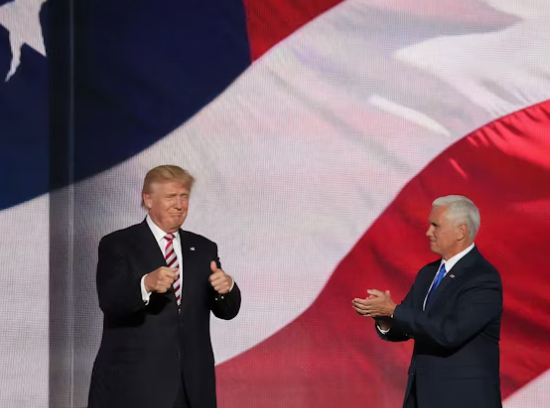
In a series of recent statements, U.S. President Donald Trump has suggested that the Cuban regime is on the brink of collapse. During a White House event, he remarked that it is merely a “question of time” before Cuban-Americans can return to the island, emphasizing that Cuba “wants a deal desperately.” This follows his earlier comments at an event honoring Inter Miami, where he predicted that Cuba is “going to fall pretty soon.” Trump’s administration credits their economic and political pressure for this potential shift, with Secretary of State Marco Rubio playing a pivotal role in the diplomatic efforts.
Economic Pressure and Diplomatic Moves
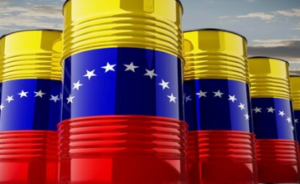
The Trump administration’s strategy involves significant economic pressure, including cutting off oil and financial resources to Cuba. This has been compounded by the severing of Venezuelan oil support, which has historically been a crucial lifeline for the Cuban economy. In a Politico interview, Trump claimed that U.S. actions have accelerated the fall of the Cuban regime, indicating that their efforts are focused and deliberate.
Secretary Rubio’s involvement suggests a strategic approach, with Trump noting that Rubio prefers to address Iran-related issues before fully engaging with Cuba. This indicates a broader geopolitical strategy, where the U.S. aims to manage multiple international challenges simultaneously.
Market Implications and Energy Concerns
While there is no direct market data tracking Cuba-specific indices, the geopolitical tensions have wider market implications. U.S. military operations in Iran have pushed WTI crude futures above $80 per barrel, the highest since 2024. This surge in oil prices could indirectly affect Cuba, given the ongoing disruption of its oil supply channels. The increased cost of energy resources could exacerbate the existing economic strain on the island.
Experts suggest that the U.S. strategy aims to coerce Latin American regimes through high-pressure signals rather than full-scale interventions. This approach reflects a calculated use of economic tools to achieve political objectives, with Cuba being a top priority due to historical grievances and the influence of the U.S.–Cuban exile community.
Cuba’s Internal Crisis
Cuba is facing significant internal challenges, including power shortages and fuel rationing. Reports indicate that by early March, only 52% of Havana’s customers had power, with hospitals and water supply stations also affected. The Cuban government has implemented austere fuel-saving measures, such as public transport shutdowns and remote schooling, to cope with the shortages.
These developments are directly tied to the disruption of Venezuelan oil supplies, which have historically supported Cuba’s energy needs. The U.S.-led sanctions and embargoes have intensified these challenges, creating a precarious situation for the Cuban regime.
Summary and Future Outlook
President Trump’s recent comments have heightened expectations of an imminent change in Cuba’s political landscape. The administration’s coordinated economic pressure, coupled with diplomatic engagement led by Secretary Rubio, suggests a strategic plan to influence the island’s future. While the immediate market impact is centered on oil price fluctuations, the broader implications of a regime change in Cuba could reshape regional dynamics.
As the situation unfolds, stakeholders will closely monitor the effectiveness of U.S. strategies and the Cuban government’s response. The coming weeks may prove critical in determining whether Trump’s predictions of a “pretty soon” collapse will materialize.



Comments are closed.