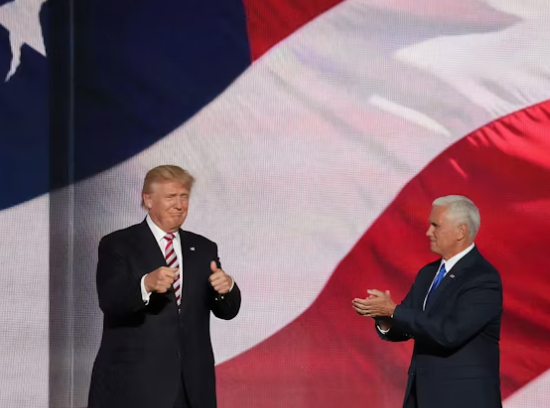
Trump’s Stance on Gas Prices
In a recent interview with Reuters on March 5, 2026, President Trump expressed no concern over the rising gas prices in the U.S., attributing the increase to the ongoing military operations in Iran. Trump confidently stated that the gas prices would decrease rapidly once the conflict concludes, emphasizing that the military objectives take precedence over economic concerns. This statement comes despite his earlier acknowledgment on March 3 that energy prices, including gasoline, are expected to rise as the conflict disrupts global energy markets.
Current Market Trends and Data
The national average for unleaded gasoline has surged to $3.11 per gallon as of March 4, marking an 11-cent overnight increase. This spike is largely attributed to the oil price increases following U.S. and Israeli military actions in Iran. Regional variations show Minnesota experiencing a significant rise to $3.07 per gallon, up 29 cents from the previous week. In Pennsylvania, particularly Pittsburgh, prices have climbed to $3.29 per gallon, reflecting a 17-cent increase week-over-week. Kansas City also saw a notable jump, with prices rising over 30 cents to reach $2.786 per gallon.
Oil Market Dynamics
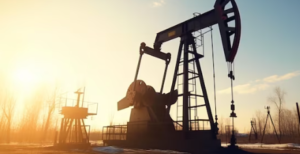
The ongoing conflict has had a pronounced impact on global oil markets, with Brent crude prices escalating from around $70 to over $80 per barrel due to the disruption of supply routes, notably the Strait of Hormuz, through which approximately 20% of the world’s oil supply passes. Analysts predict that if the conflict escalates, national gas prices could approach $4 per gallon. Kiplinger reports that the average price of regular unleaded has returned to about $3.00 per gallon, with potential for further increases if tensions persist.
Geopolitical and Economic Implications
The geopolitical tensions have not only affected gas prices but have also sparked political reactions. Some of Trump’s aides reportedly express concern over the political fallout from rising gas prices. Public perception is increasingly critical, with many Americans feeling that the administration is disconnected from everyday economic challenges. Experts warn of significant price shocks in the near future, impacting both gas and diesel markets.
Expert Insights and Future Outlook
Economists like Paul Krugman have highlighted the potential for massive price shocks, while political figures within Trump’s circle have begun to acknowledge the direct impact of Middle East military actions on the domestic economy. GasBuddy’s Patrick De Haan has noted that Trump’s recollection of low gas prices is misleading, as less than 1% of stations offered prices below $2. The Associated Press highlights that each $10 increase in oil prices typically translates to a 25-cent rise at the pump, further exacerbating consumer concerns.
Looking ahead, while immediate relief may not be forthcoming, long-term forecasts suggest a possible decline in prices by the year-end, with the national average potentially settling around $2.97 per gallon for 2026. However, the trajectory will heavily depend on geopolitical developments and the resolution of the Iran conflict.
Conclusion
The recent rise in gas prices underscores the complex interplay between geopolitical events and economic realities. President Trump’s dismissive stance on the issue contrasts with the tangible impact felt by consumers across the nation. As the conflict continues, all eyes remain on the administration’s handling of both international relations and domestic economic pressures. The situation serves as a reminder of the intricate balance required in managing global conflicts and their domestic repercussions.








Comments are closed.