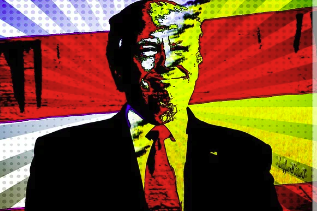
Trump’s Bold Assertion on Iran
In a surprising announcement on March 5, 2026, former President Donald Trump claimed that Iran has reached out to the United States with an interest in negotiating a peace deal. This declaration comes amid ongoing military tensions involving U.S. and Israeli forces in the region, which have heightened global concerns about stability and energy security.
Trump’s remarks suggested an imminent shift in U.S. policy aimed at alleviating pressure on global oil markets. According to reports, he stated that Tehran was asking, “how do we make a deal?” His comments have sparked a flurry of reactions across political and financial spheres, as stakeholders assess the potential implications of such a diplomatic overture.
Market Reactions and Economic Impact
The energy markets, which have been closely monitoring developments in the Middle East, showed a moderate response to the news. Crude oil prices rose slightly, with benchmark prices hovering around $84 per barrel, up from $80 earlier in the week. This increase, while notable, falls short of the $100+ levels some analysts had feared, particularly given the strategic importance of the Strait of Hormuz in global oil transportation.
Financial markets also reflected a cautious optimism. European stock indices, including the FTSE 100 and the Stoxx 600, experienced gains of approximately 0.65% and 1.5%, respectively. These movements were largely attributed to reports of Iran’s outreach, which investors interpreted as a potential de-escalation of conflict.
In the United States, stock futures turned positive following the news, indicating investor confidence in a possible diplomatic resolution. However, the overall sentiment remains tempered by the complexities of international negotiations and the unpredictability of geopolitical dynamics.
Expert Opinions and Strategic Analysis
Energy analysts have expressed a mix of caution and optimism in response to the developments. While the current oil price of $84 per barrel suggests some confidence in a short-term resolution, experts warn that sustained declines in prices will depend on a concrete end to hostilities.
Florence Schmit, an energy strategist at Rabobank, noted that markets have reacted positively to signals of Iranian willingness to negotiate. However, she emphasized that a lasting impact on energy prices would require tangible progress in peace talks.
Macro analysts have highlighted the initial complacency of markets, which had already priced in some level of conflict risk. The recent outreach from Iran has provided modest relief, but analysts like Matthew Ryan from FXStreet caution that the conflict may persist for weeks rather than days, given the complex geopolitical landscape.
Government Measures and Future Outlook
In response to the evolving situation, the U.S. Treasury Department is reportedly preparing to implement measures to address rising energy costs. These actions, expected as soon as Thursday, could include interventions in oil futures markets, underscoring the government’s recognition of the economic risks posed by ongoing tensions.
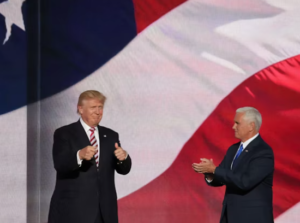
Trump’s messaging has been characterized by a blend of military assertiveness and diplomatic encouragement. He has urged Iranian diplomats to seek asylum and contribute to shaping a “better Iran,” while also projecting strength by highlighting U.S. military successes in the region.
Summary and Forward-Looking Takeaway
As of March 6, 2026, the situation remains fluid, with President Trump’s statement about Iran’s desire for a deal introducing a new dynamic to the geopolitical landscape. Markets have responded with cautious optimism, but the path to a lasting resolution remains uncertain. Government interventions in energy markets are anticipated, reflecting the broader economic implications of the conflict. Stakeholders will continue to monitor developments closely, with an eye on potential diplomatic breakthroughs or escalations.





Comments are closed.