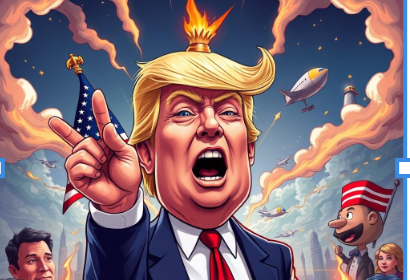
Trump’s Stance on NIL Reforms
Former President Donald Trump has recently voiced his opinion on the ongoing conversation around Name, Image, and Likeness (NIL) regulations in college sports. Trump emphasized the need for Congress to intervene and establish a uniform standard for NIL deals to ensure fairness and consistency across the nation. This comes as student-athletes have gained the right to profit from their personal brands, leading to a patchwork of state-level regulations that can create significant disparities.
Trump, speaking at a recent event, suggested that the current decentralized approach to NIL is unsustainable and could potentially harm the integrity of college sports. He proposed that a federal framework is necessary to streamline the process and protect student-athletes from exploitation. Furthermore, he promised to introduce an executive order addressing these concerns if he were to return to office.
Economic Impact of NIL in College Sports
The introduction of NIL rights has significantly altered the economic landscape for college athletes, opening new revenue streams that were previously unavailable. With the ability to sign endorsement deals, student-athletes can now monetize their fame, offering them financial opportunities that can help offset educational expenses and support their futures. However, the lack of a unified regulatory framework has led to inconsistencies in how these deals are managed and taxed.
States have been creating their own NIL laws, which in turn has led to an uneven playing field. Some states offer more favorable conditions for athletes, potentially influencing their decisions on where to attend college. This divergence can create competitive imbalances, as schools in states with more lenient NIL regulations might have an edge in recruiting top talent.
The need for federal oversight, as suggested by Trump, aims to level the playing field, ensuring that athletes across all states have equal opportunities to benefit from NIL deals. This could also provide clear guidelines for compliance, protecting both the institutions and the athletes involved.
Potential Challenges and the Road Ahead
While the call for federal intervention might resolve some disparities, it also poses challenges. Crafting legislation that balances the diverse interests of stakeholders—including schools, athletes, and sponsors—will be complex. Moreover, there is potential resistance from states that have already established their frameworks and might prefer to maintain control over these regulations.
As the conversation continues, the role of Congress becomes crucial in shaping the future of NIL in college sports. The legislative body must consider the broader implications of any proposed changes, including impacts on the collegiate sports economy and educational institutions.
There is also the question of how quickly Congress can act. The urgency to address these issues is pressing, given the rapid pace at which NIL deals are developing and their profound effects on the college sports landscape.
Conclusion and Future Outlook
The debate over NIL regulations underscores the complex interplay between sports, economics, and law. As voices like Trump’s amplify the call for federal intervention, the onus is on policymakers to craft solutions that uphold fairness and protect the interests of all parties involved.
In the coming months, the dialogue around NIL is expected to intensify, with potential legislative proposals taking shape. Stakeholders will be keenly watching how these developments unfold, particularly with the upcoming elections and shifts in political power that could influence the trajectory of NIL policies.
Ultimately, achieving a balanced and equitable NIL framework could redefine the future of college sports, offering a sustainable model that supports both athletes and educational institutions alike.







Comments are closed.