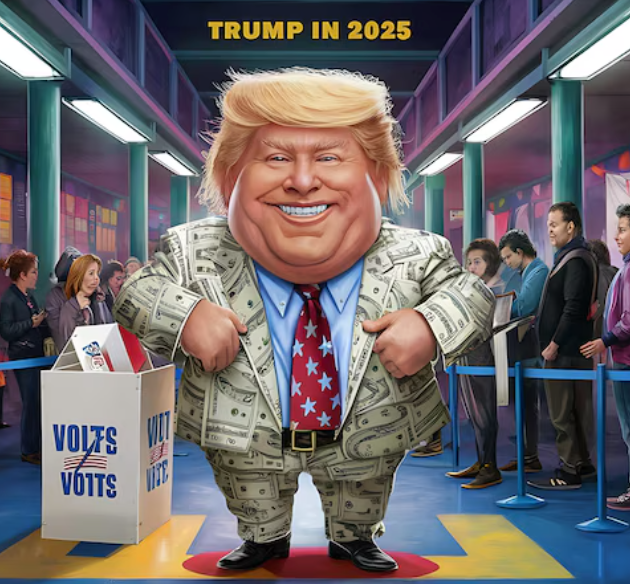
Trump Administration’s Firm Response
Amid escalating tensions between the United States and Iran, the Trump administration has categorically denied claims made by Iran regarding the capture of U.S. soldiers. The administration’s firm stance comes as a response to Iranian media reports that suggested U.S. military personnel had been taken into custody. Officials from the U.S. government have dismissed these accusations as completely unfounded.
The allegations arise during a period of intensifying conflict between the two nations, with both sides engaging in heightened rhetoric and military posturing. The denial from the U.S. aims to quell fears of a potential escalation that could further destabilize the region. The administration remains optimistic about the progress in its ongoing military efforts, despite the challenging geopolitical landscape.
Market Reactions and Economic Implications
While direct military confrontations usually have significant financial market implications, the current situation has yet to cause major disruptions. Investors are keeping a close eye on developments, as any escalation could lead to volatility in global markets. The impact on oil prices, a key economic indicator, has been minimal thus far, reflecting market confidence in the stability of supply despite geopolitical tensions.
In the cryptocurrency market, assets like Optimism ($OP) have experienced fluctuations, though not directly linked to geopolitical events. As of the latest data, Optimism trades at approximately $0.1137, marking a notable decline over the past month. The asset’s 24-hour trading volume stands at $34.89 million, with a market capitalization of around $240.76 million.
Analyzing the Broader Geopolitical Context
The U.S.-Iran conflict is part of a broader geopolitical narrative that has seen shifting alliances and ongoing tensions in the Middle East. This conflict has roots in long-standing political and religious differences, and recent events have only added complexity to an already volatile region. Both nations have engaged in diplomatic maneuvering, with international players urging restraint and dialogue to prevent further escalation.
The Trump administration’s dismissal of Iran’s capture claims underscores its commitment to maintaining a strong U.S. military presence and influence in the region. The administration continues to assert its strategic interests while navigating the delicate balance of power that characterizes Middle Eastern geopolitics.
Future Outlook and Strategic Considerations
Looking ahead, the potential for diplomatic solutions remains, though the path forward is fraught with challenges. As both nations continue to assert their positions, the international community remains hopeful for a peaceful resolution. The Trump administration’s strategy appears to focus on maintaining pressure while exploring avenues for negotiation.
The financial markets will likely continue to respond to developments in U.S.-Iran relations, with investors assessing risks and opportunities. Market participants will pay special attention to any shifts in military strategy or diplomatic engagement, as these could have far-reaching economic consequences.
In summary, the Trump administration’s denial of Iran’s claims serves as a reminder of the complex interplay between geopolitical tensions and financial markets. As the situation evolves, stakeholders across sectors will closely monitor events, seeking stability in an uncertain environment.






Comments are closed.