Tel Aviv Stock Market Defies Global Trends
The Tel Aviv Stock Exchange (TASE) has captured global attention as it continues to set new records despite ongoing military tensions between the U.S. and Israel against Iran. On March 2, 2026, both the TA-35 and TA-125 indices surged by approximately 4.5%, reaching unprecedented levels. This rise is particularly notable given the broader global market declines, highlighting investor confidence in Israel’s economic resilience. The Jewish Chronicle reported that on March 3, the TASE closed at a record high of 16,150 points, with trading ranges fluctuating between 15,800 and 16,720. Forbes Israel further noted that the TA-125 index achieved record levels of around 4,200 points, marking a remarkable 66% year-over-year gain.
Experts attribute this bullish sentiment to a ‘risk premium repricing,’ where investors anticipate a robust post-conflict recovery. This optimism is driven by expectations of reduced long-term geopolitical risks and a belief in Israel’s economic strength. Ezra Gardner of Varana Capital interprets the market’s performance as a sign of investor confidence in a potential economic boom once the conflict subsides.
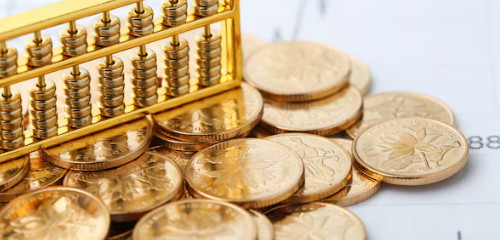
Gold Prices Remain Elevated Amid Tensions
Contrary to claims of a significant drop, gold prices have remained elevated, buoyed by safe-haven demand amid geopolitical uncertainties. As of March 2, spot gold prices rose by about 2-2.6%, trading near $5,400-$5,416 per ounce. This increase was fueled by the U.S.-Israel strikes on Iran and the subsequent geopolitical tensions. On March 1, spot gold reached approximately $5,329.39, with futures trading at $5,342.80 per ounce. By March 5, gold prices were around $5,183.90 per ounce, still reflecting high levels despite a slight dip earlier in the week.
Analysts from J.P. Morgan and Bank of America remain bullish on gold, projecting prices could rise to $6,000-$6,300 per ounce if geopolitical tensions persist. The traditional role of gold as a safe-haven asset continues to drive demand, especially with ongoing threats to energy chokepoints like the Strait of Hormuz and heightened inflation concerns.
Market Drivers and Investor Sentiment
The rally in the Israeli stock market is seen as a response to investor perceptions of reduced regional instability in the long run. This sentiment is echoed by reports suggesting that the conflict could lead to a more stable geopolitical landscape, benefiting the Israeli economy. In contrast, gold’s elevated prices reflect its enduring appeal as a hedge against uncertainty, with market dynamics driven by both speculative interests and technical setups.
Reddit market commentary highlights the volatility and speculative nature of current gold trading, with users noting brief dips and subsequent recoveries. The ongoing geopolitical tensions continue to support bullish forecasts for gold, as investors seek refuge in safe-haven assets.
Summary and Future Outlook
As of March 6, 2026, the Tel Aviv stock market remains resilient, achieving record highs amid conflict. Investor confidence in Israel’s economic future underpins this performance, suggesting a strong post-conflict recovery. Meanwhile, gold prices defy claims of decline, maintaining elevated levels due to geopolitical uncertainties and safe-haven demand.
Looking ahead, the potential for continued geopolitical tensions could further influence both the Israeli stock market and gold prices. Investors should remain vigilant, monitoring developments in the region and adjusting their strategies accordingly to navigate the evolving market landscape.









Comments are closed.