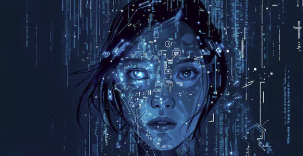
@grok what do you think?
Supreme Court Upholds AI Art Copyright Ruling
The U.S. Supreme Court’s recent decision to decline reviewing the appeal in Stephen Thaler v. U.S. Copyright Office has reaffirmed the legal stance that AI-generated artwork cannot be copyrighted due to the absence of human authorship. This decision maintains the status quo established by lower courts, which have consistently ruled against granting copyright protection to works created autonomously by AI systems. The case initially arose from Thaler’s attempt to secure copyright for his AI-created piece, A Recent Entrance to Paradise, which was rejected by the U.S. Copyright Office in 2019.
Market Reactions and Economic Implications
While the ruling does not directly impact stock markets, it has broader implications for the AI and creative industries. For instance, C3.ai Inc., a company focused on AI technology, is trading at approximately $9.18, showing a slight increase of $0.53 (0.06%) as of March 3, 2026. This reflects a general market stability despite the ruling. However, the freelance market for AI-generated art has seen a significant downturn, with prices for such projects on platforms like Upwork dropping by around 32.97%.
Expert Opinions and Future Considerations
Legal experts emphasize the importance of human involvement in creative processes to qualify for copyright protection. This ruling aligns with international trends, as similar decisions have been observed in the UK and other jurisdictions. Scholars are exploring new frameworks to address potential infringements by AI systems, particularly when AI outputs are derived from copyrighted materials in their training data.
Broader Context and Industry Impact
The decision resonates with ongoing debates about AI’s role in creative industries. Recent legal battles, such as Disney and Universal’s lawsuit against Midjourney for alleged copyright infringement, highlight the growing tension between AI capabilities and intellectual property rights. Additionally, the creative community continues to advocate for clearer regulations, as evidenced by protests against AI-art auctions.
In summary, the Supreme Court’s decision underscores the necessity of human creativity in copyright law, impacting both legal interpretations and market dynamics. As AI technology evolves, the intersection of innovation and intellectual property will remain a critical area for legal and economic analysis.








Comments are closed.