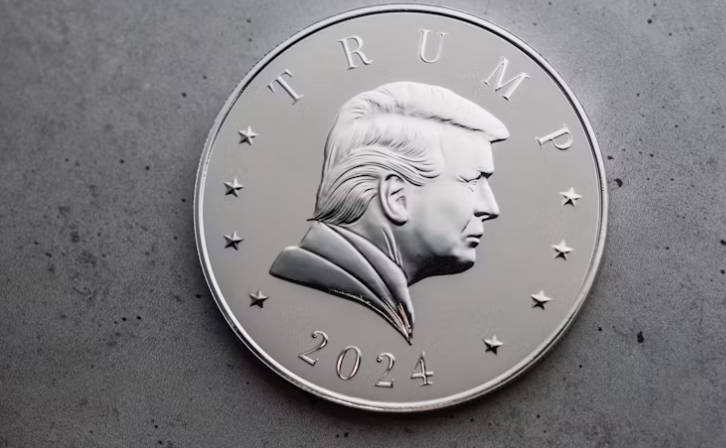
Supreme Court Ruling Challenges U.S. Tariff Strategy
The recent ruling by the Supreme Court has introduced significant uncertainty into the Trump administration’s approach to tariffs, a core component of its trade strategy. The decision could have far-reaching implications on global trade dynamics and the U.S. economy.
Impact on Global Trade Relations
The ruling comes at a time when global trade relations are already under strain. The United States, under the Trump administration, had adopted aggressive tariff measures aimed at rebalancing trade deficits and protecting domestic industries. However, this approach has often led to retaliatory tariffs from other nations, further complicating trade relations.
With the Supreme Court’s decision, the future of these tariffs is now in flux. Countries that have been affected by the U.S. tariffs might see this as an opportunity to renegotiate trade terms or push for the removal of certain tariffs. This could either ease tensions or create further complexities, depending on how negotiations unfold.
Economic Implications for the U.S.
Domestically, the uncertainty surrounding tariffs may lead to increased caution among U.S. businesses. Companies that rely heavily on global supply chains could face increased operational challenges and costs. The tariffs had already contributed to price increases for both raw materials and consumer goods, and any further changes could exacerbate these issues.
Moreover, the tariffs have had mixed impacts on the U.S. economy. While some industries, such as steel and aluminum, have seen benefits from protective measures, others have suffered from increased import costs and retaliatory tariffs. Overall, the economy could face headwinds if trade tensions are not resolved.
Market Reactions
Financial markets have responded to the uncertainty with increased volatility. The U.S. Dollar Index ($DXY) could see fluctuations as traders adjust to the potential for changes in trade policy. Investors are closely watching for any policy announcements or negotiations that might provide clarity.
Stock markets, too, are likely to experience volatility as businesses assess the impact of potential changes in trade relations. Industries heavily reliant on imports, such as technology and automotive, could be particularly sensitive to developments.
A Look Ahead
The Supreme Court’s decision adds a layer of complexity to an already intricate trade landscape. As policymakers, businesses, and investors navigate this new terrain, the outcomes will depend heavily on diplomatic negotiations and domestic policy adjustments.
In summary, the ruling has disrupted the status quo, creating an environment of caution and uncertainty. Moving forward, stakeholders will need to watch developments closely and remain adaptive to potential shifts in trade policy.

Comments are closed.