$SPX $GC $BTC
#stocks #gold #bitcoin #cryptonews #russiaukraine #markets #volatility #investment #finance #geopoliticalrisk #commodities #nuclearconcerns #trading
The financial markets experienced a tumultuous day as escalating geopolitical tensions, particularly surrounding Russia and Ukraine, led to increased uncertainty. Equity markets saw declines across major indexes, with the S&P 500 ($SPX) among those under pressure. Investors are showing signs of nervousness, as the possibility of further escalation, including nuclear risks, raises alarm. This environment has pushed many participants to rotate assets from risky equities into more traditional safe havens. Among investors, this sentiment has driven gold ($GC) prices higher, with gold continuing to perform well as global supply concerns and demand for safe-haven assets intensify.
Gold, often considered a barometer of risk aversion, surged amid investors’ flight to safety. The precious metal saw a notable rise, as market participants weighed the potential ripple effects of an extended military conflict in Eastern Europe. Gold’s historical role in providing a buffer against inflation and geopolitical uncertainty has come to the forefront as traders hedge against elevated risks. The rise in gold prices reflects concerns that the Russia-Ukraine tension could erupt into a wider conflict, affecting not only regional economies but also global supply chains. Investors may continue to pile into commodities like gold if diplomatic resolutions fail to ease uncertainties.
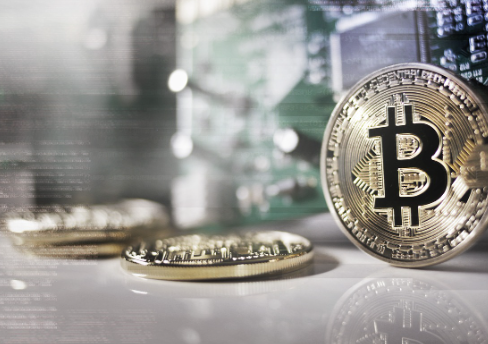
Meanwhile, Bitcoin ($BTC) has remained relatively steady, holding just above the $92,000 mark despite the turmoil in other asset classes, signaling that some investors still view it as a hedge against traditional financial market risks. Although historically seen as a volatile asset, Bitcoin’s resilience these past few days could be attributed to its growing status as digital gold. This comparison has spurred more attention from institutional investors, who are viewing digital currencies not only as speculative tools but also as potential long-term stores of value in unpredictable geopolitical climates.
The combination of stock market weakness, rising commodity prices, and Bitcoin’s stabilization suggests a rapidly evolving risk environment for global investors. With tensions showing no signs of easing, market participants will likely remain highly sensitive to geopolitical developments. Any new sanctions, military escalations, or diplomatic breakdowns could prompt further reactions across financial markets, particularly in high-risk assets. As a result, traders should keep a close watch on regional political news while continuing to assess the potential market-wide impacts of prolonged instability in Europe.

Comments are closed.