
$GBPUSD $DXY
#Forex #GBP #USD #Inflation #InterestRates #BoE #FederalReserve #FXMarkets #Dollar #Economy #Sterling #CurrencyTrading
Sterling has surged past the $1.30 mark for the first time since November, reflecting a broader recovery in the UK currency driven by persistent domestic inflationary pressures and a weakening US dollar. The pound’s momentum has been fueled by investor sentiment that the Bank of England (BoE) may need to maintain higher interest rates for longer to combat sticky inflation. This comes even as other major central banks, including the US Federal Reserve, signal an easing of their aggressive rate-tightening cycles. The stronger pound represents a significant shift in the currency markets, where sterling had previously struggled due to concerns over economic slowdown and policy uncertainty.
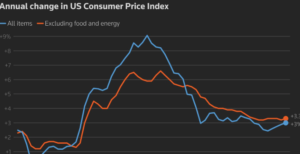
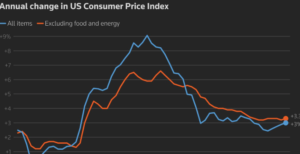
One of the primary drivers behind sterling’s appreciation has been the UK’s inflation problem, which remains more stubborn than expected. While inflation rates in the US and eurozone have shown clearer signs of easing, the UK continues to face elevated price pressures, leading markets to believe that the BoE will not be able to cut rates as quickly as its global counterparts. This has prompted forex traders to favor the pound against a softer dollar, especially as Federal Reserve policymakers lean towards a more dovish stance. A weaker dollar has further exacerbated sterling’s strength, with the US Dollar Index ($DXY) retreating from recent highs as investors anticipate potential Fed rate cuts in the coming months.
Global economic trends have also played a role in sterling’s rise. As the dollar weakens amid softer inflation readings and slowing labor market momentum in the US, investors have been shifting capital towards currencies with higher yields. With the BoE’s potential reluctance to cut rates quickly, the UK remains an attractive destination for carry trades, where traders borrow in lower-yielding currencies to invest in higher-yielding assets. This environment has provided additional support for sterling, despite economic growth concerns within the UK. Looking ahead, the currency market will closely monitor key economic indicators such as UK wage growth and inflation data, which could influence the BoE’s policy decisions and determine whether sterling can sustain its upward trajectory.
However, sterling’s rally is not without risks. The UK’s economic outlook remains uncertain, with sluggish GDP growth and potential global headwinds posing challenges for long-term currency strength. If UK inflation begins to moderate more significantly, markets could reassess their expectations for BoE rate policy, potentially limiting further gains for sterling. Additionally, external factors such as geopolitical tensions or unexpected shifts in US monetary policy could inject volatility into currency markets, impacting the pound’s recent upward momentum. Despite these uncertainties, the pound’s rise above $1.30 marks a crucial psychological level, reinforcing investor confidence in UK assets and positioning sterling as one of the stronger performing currencies in the global forex landscape this year.






Comments are closed.