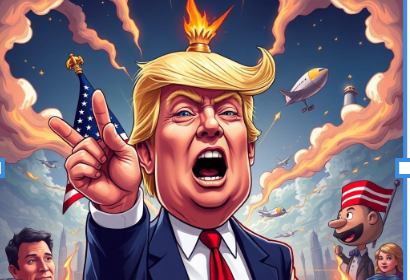
Spain’s Firm Stance Against War
Spanish Prime Minister Pedro Sánchez has taken a decisive stand against the escalating tensions in the Middle East, emphasizing Spain’s refusal to be drawn into conflict. In a televised address from the Moncloa Palace on March 4, 2026, Sánchez declared Spain’s position with a resounding “No to war,” referencing the Iraq War as a historical lesson on the consequences of military intervention.
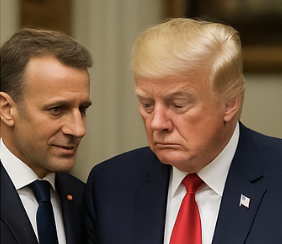
He criticized the U.S. administration’s approach, highlighting the parallels with the 2003 Iraq invasion, where promises of finding nuclear weapons and establishing democracy went unfulfilled. Sánchez’s remarks come amid heightened tensions with the U.S., as President Donald Trump threatens economic consequences for Spain’s refusal to allow U.S. military use of joint bases in Rota and Morón.
Economic Implications and Market Reactions
The potential economic fallout from the diplomatic spat is significant, with Spain’s exports to the U.S. accounting for approximately 1% of its GDP, valued at around €16 billion ($18.6 billion). Bilateral trade between the two nations comprises about 4.4% of Spain’s GDP, a figure notably lower than the EU average of 10.1%.
Spanish business groups have expressed concern over potential trade disruptions, though there is hope that a collective EU response could mitigate some of the risks. The broader implications for the European economy remain uncertain, as prolonged conflict could lead to increased instability and economic turbulence across the region.
Calls for Diplomacy and European Unity
Sánchez has urged the U.S., Israel, and Iran to pursue diplomatic solutions, warning of the severe human and economic toll a prolonged conflict could exact. His call for diplomacy is echoed by European leaders who are cautious of the repercussions that could arise from further military escalations.
In response to the potential crisis, the Spanish government is preparing a “social shield” to protect its citizens from economic impacts, similar to measures implemented during the COVID-19 pandemic and the Ukraine crisis. Coordination with EU partners is also a priority, as Spain seeks to navigate the geopolitical landscape with a focus on legality and collective action.
Public and Expert Reactions
Sánchez’s stance has garnered both domestic and international attention, with many viewing his position as a principled stand for peace. The invocation of the Iraq War serves as a reminder of the long-term consequences of military interventions, prompting reflections on past mistakes and the importance of pursuing peaceful resolutions.
Experts and analysts have noted the uniqueness of Sánchez’s approach, as he stands out among EU leaders in directly challenging Trump’s threats. This diplomatic divergence highlights Spain’s commitment to maintaining its sovereignty and advocating for a peaceful resolution to the conflict.
Summary and Outlook
As tensions between the U.S. and Spain continue to rise, Sánchez’s firm stance against war and his call for diplomacy underscore the complexities of the current geopolitical landscape. The economic implications for Spain and the broader EU are significant, but there is hope that diplomatic efforts can prevent further escalation.
Looking forward, the situation remains fluid, with the potential for both diplomatic breakthroughs and increased tensions. The outcome will significantly impact not only Spain’s economic and political landscape but also the broader European and global context.



Comments are closed.