Spain Stands Firm Amid U.S. Pressure
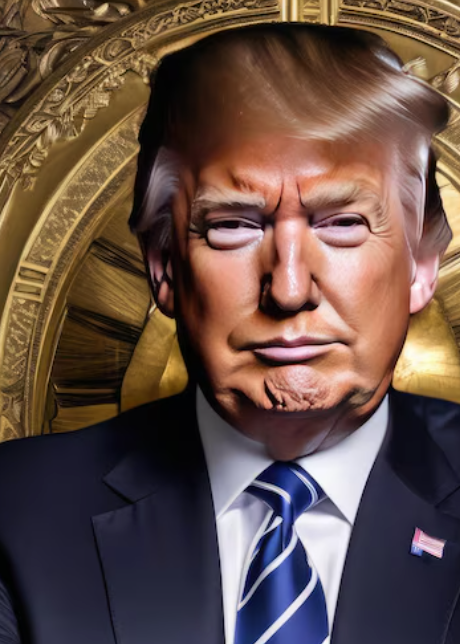
The political landscape between the United States and Spain has been rattled recently, following President Donald Trump’s stark warning to cut off trade relations with Madrid. This declaration came in response to Spain’s stance on the Iran conflict, where it has expressed opposition to escalating tensions in the region. Spain’s Prime Minister, Pedro Sánchez, responded defiantly, emphasizing Spain’s commitment to diplomacy and rejecting the notion of military aggression as a resolution.
Spain hosts several U.S. military bases, including the Naval Station Rota, which has been a crucial point of strategic cooperation between the two allies. The potential trade fallout has stirred concerns in economic and geopolitical circles, as the ramifications could extend beyond the immediate political discourse. Trading relations between the two nations have been historically robust, with significant exchanges in goods and services amounting to billions of euros annually.
Economic Implications of Trade Disruptions
The economic implications of a potential trade severance are profound. The U.S. is one of Spain’s major trading partners, contributing to vital sectors such as automotive, pharmaceuticals, and agriculture. In 2022, bilateral trade between the two nations amounted to approximately €30 billion. Such economic ties are critical, not only for Spain but also for the broader European Union economy, which is already grappling with post-pandemic recovery and inflationary pressures.
The Spanish stock market, reflected by the IBEX 35 index, showed signs of volatility following the announcement, with investors weighing the risks of geopolitical tensions. Meanwhile, the euro ($EURUSD) experienced slight fluctuations as markets responded to potential disruptions in transatlantic commerce. Analysts warn that a prolonged diplomatic spat could undermine investor confidence, potentially leading to broader market instability in the Eurozone.
Geopolitical Reactions and Strategic Considerations
The broader geopolitical reactions to President Trump’s rhetoric have been mixed. European allies, while cautious, have expressed support for Spain’s diplomatic approach. The European Union’s High Representative for Foreign Affairs has underscored the importance of dialogue and multilateral cooperation as means to de-escalate the Iran situation.
Additionally, NATO has been a focal point of discussion, given the strategic military collaboration between the U.S. and Spain. The potential impact on NATO’s operational capabilities is a concern, particularly in light of global security challenges. Experts suggest that any reduction in cooperative military engagement could embolden adversarial actions from other global actors, complicating the security landscape further.
Despite these challenges, Spain remains steadfast in its diplomatic convictions. Prime Minister Sánchez’s administration continues to advocate for peaceful resolutions and emphasizes the importance of maintaining strong alliances within the global community.
Summary and Outlook
As Spain navigates the diplomatic tensions with the United States, the stakes remain high both economically and geopolitically. The resilience of bilateral relations will be tested in the coming months, as officials from both nations seek avenues for dialogue and potential compromise. The situation serves as a reminder of the intricate balance required in international relations, where economic interests and strategic partnerships must be harmonized with political ideologies.
Looking forward, the evolving dynamics between Spain and the U.S. will be critical to watch. Market participants and political analysts alike will need to stay attuned to developments, as any resolutions or escalations could have wide-reaching implications across the global stage.







Comments are closed.