Russia’s Diplomatic Strategy
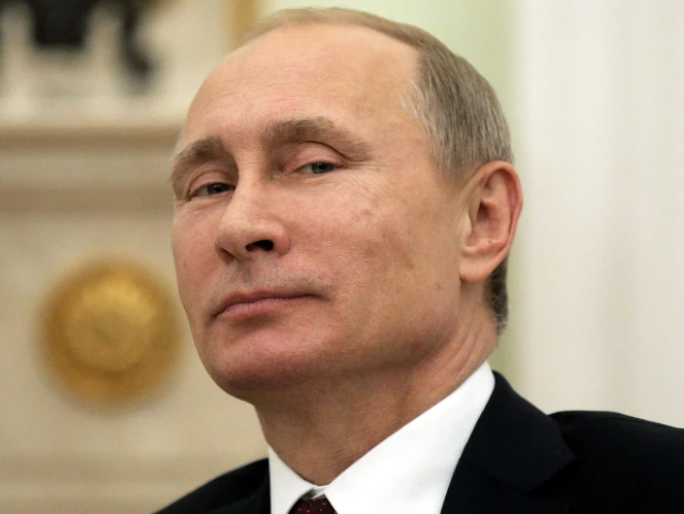
In a recent statement, Russian Foreign Minister Sergey Lavrov emphasized the country’s commitment to creating a diplomatic environment that prevents military action against Iran. This stance comes amid heightened tensions following recent U.S.–Israel strikes on Iranian targets, which Moscow has condemned as aggressive and unjustified. Lavrov’s comments highlight Russia’s intention to act as a mediator, seeking a return to diplomatic negotiations.
Despite strong rhetoric, Russia’s actual influence appears limited. Analysts note that while Russia offers verbal support to Iran, there is no indication of military backing. The strategic partnership treaty between Russia and Iran lacks a mutual defense clause, leaving Moscow’s involvement largely symbolic. This has raised questions about Russia’s ability to effectively shield its allies in the region.
Market Impact and Economic Implications
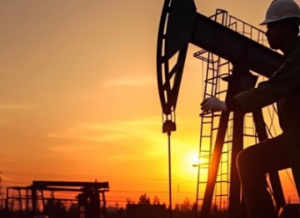
The geopolitical tensions have sent ripples through global markets, particularly affecting the energy sector. Brent crude prices have surged by approximately 15%, reaching around $84 per barrel, driven by disruptions in oil shipments through the Strait of Hormuz. This critical chokepoint is vital for global energy supplies, and any instability in the region can lead to significant price fluctuations.
Russian crude, although trading at a discount, has seen prices rise to about $62 per barrel. This increase provides a financial boon for Russia, bolstering its budget and supporting its ongoing military expenditures. The conflict has inadvertently benefited Moscow by elevating global oil prices, enhancing its export revenues.
On the broader economic front, global stock markets have reacted negatively to the escalating conflict. The S&P 500 has dropped by approximately 0.9%, and the Dow Jones has fallen by over 400 points. Investors are concerned about the potential for prolonged conflict and its impact on global supply chains, prompting a shift towards safe-haven assets like gold, which has climbed to $5,420 per ounce.
Expert Opinions and Future Outlook
Experts warn that the current tensions could spark a regional arms race, particularly if accusations of Iran developing nuclear weapons remain unsubstantiated. Lavrov has pointed out the lack of evidence supporting these claims, suggesting that the conflict might inadvertently encourage Iran to pursue nuclear capabilities.
Energy market analysts highlight the potential for long-term shifts in global energy supplier preferences, with countries seeking alternatives to Middle Eastern oil. Russia stands to gain from this realignment, as its energy exports become more attractive amid regional instability.
Despite the immediate financial benefits, Russia’s limited ability to influence the situation in Iran underscores its strategic vulnerabilities. The lack of concrete military support for its allies raises questions about Moscow’s geopolitical leverage. Moving forward, Russia’s role as a mediator and its economic interests in the energy market will be crucial in shaping its foreign policy strategies.
Conclusion
Russia’s diplomatic efforts, as articulated by Lavrov, focus on preventing military action against Iran through dialogue and negotiation. However, the absence of military backing highlights the limitations of Russia’s influence. As the situation develops, Moscow’s economic gains from elevated oil prices and its potential role as an energy supplier could shape its future strategic decisions. Observers will closely watch how Russia navigates these complex geopolitical dynamics in the coming months.




Comments are closed.