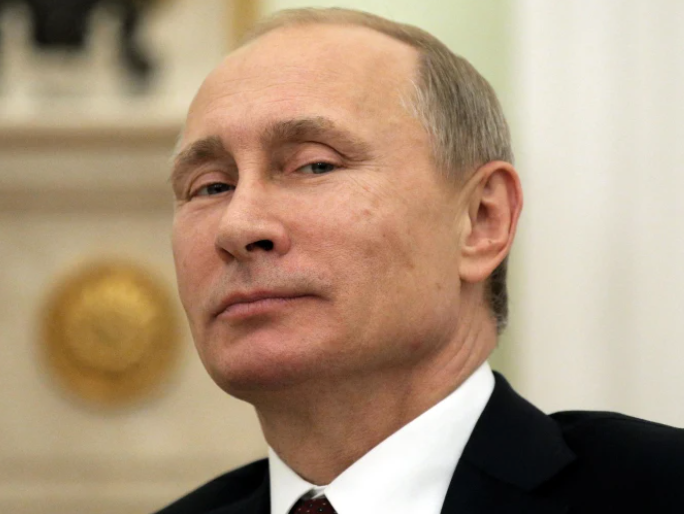
Russia’s Bold Accusations
In a recent development, Russia has accused the United States and Israel of deliberately trying to create divisions within the Islamic world, particularly during the holy month of Ramadan. Russian Foreign Minister Sergey Lavrov stated at a press briefing in Moscow that these actions are aimed at undermining normalization efforts between Iran and Gulf Arab states. Lavrov emphasized that the military strategies employed by the US and Israel are designed to instigate conflict among these nations.
Market Reactions to Geopolitical Tensions
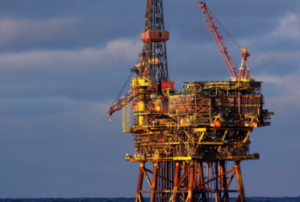
The geopolitical tensions have had significant impacts on global markets, particularly in the energy sector. Brent crude prices have seen fluctuations, currently hovering around $84–85 per barrel. This is a slight pullback from a recent peak of $85.41, as markets assess the risks associated with the ongoing conflict. Similarly, WTI crude has experienced an increase, trading between $78 and $80 per barrel, marking a 6–8% rise since the conflict began.
Energy Infrastructure Under Threat
Recent attacks have further strained regional energy infrastructure. An Iranian drone attack on a Saudi Aramco refinery in Ras Tanura and missile strikes disrupting Qatar’s LNG production have exacerbated global energy concerns. These incidents have resulted in the effective closure of the Strait of Hormuz, a critical passage for nearly 20% of the world’s seaborne oil and LNG, intensifying upward pressure on energy prices.
Expert Analysis and Economic Implications
Analysts highlight the significance of the Strait of Hormuz as a pivotal chokepoint for global oil and LNG transit. Its closure has contributed to increased volatility and risk premiums in the market. The Washington Institute suggests that Russia’s stance, while critical of US-Israeli actions, remains cautious to avoid direct military engagement with Iran. Meanwhile, the potential for prolonged conflict has led to upward revisions in oil price forecasts by institutions like Standard Chartered and Goldman Sachs.
Outlook and Future Considerations
The current geopolitical landscape presents a volatile outlook for energy markets. While there is potential for medium-term stabilization, much depends on the reopening of the Strait of Hormuz and a de-escalation of regional tensions. The situation underscores the interconnectedness of global politics and economic stability, with the potential for significant impacts on inflation and GDP growth.
In summary, Russia’s accusations against the US and Israel highlight the complexities of Middle Eastern geopolitics and their far-reaching effects on global markets. The ongoing tensions serve as a reminder of the fragile balance within the region and the broader implications for global economic stability.




Comments are closed.