
Retailers Welcome Relief from Tariff Pressures
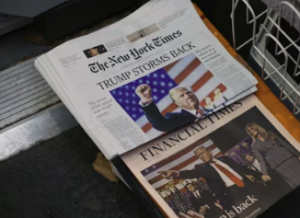
The reversal of tariffs imposed during the Trump administration has been met with significant approval from the retail industry, which had been grappling with heightened costs on imported goods. Clothing and footwear, vulnerable sectors under previous tariffs, are expected to see a relief in pricing pressures as tariffs on imports from countries like China and Vietnam are rolled back.
Impact on Pricing and Supply Chain
Under Trump’s tariffs, some imports faced rates as high as 25%, directly impacting the margins of retailers who relied heavily on foreign manufacturing. With the recent reversal, companies are hopeful that the cost savings can be passed onto consumers. However, while this move provides immediate financial relief, retailers remain cautious as global trade dynamics continue to evolve.
The supply chain disruptions exacerbated by the pandemic have already strained resources, and any shifts in tariff policies could further impact operational efficiency. Retailers are proceeding with strategic caution, balancing inventory management against potential future policy changes.
Uncertain Trade Landscape
Despite this positive development, the broader geopolitical climate remains unpredictable. Ongoing tensions between major economies, particularly U.S.-China relations, pose risks that could lead to new trade barriers in the future. Moreover, the complexity of global supply chains means that businesses must remain adaptable to rapidly changing international policies.
Industry experts suggest that while the tariff rollback is beneficial in the short term, companies should continue to diversify supply chains to mitigate potential risks. Investing in technology and local manufacturing capabilities could help minimize reliance on international partners, thus insulating against future volatility.
Market Reaction
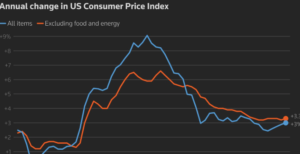
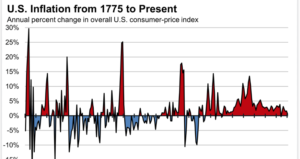
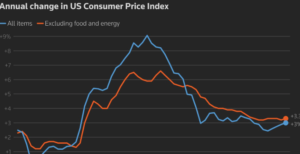
The retail sector has shown a mixed response in the stock market, as companies navigate the dual challenges of tariff changes and inflationary pressures. Retail giants are adjusting their strategies to remain competitive, focusing on price stabilization and customer retention. However, the market is likely to see fluctuations as new economic data emerges and trade policies evolve.
Conclusion
The reversal of tariffs marks a win for the retail industry, offering some respite from the cost burdens of past policies. However, uncertainty looms as international trade relations remain complex and unpredictable. Retailers are urged to remain vigilant and adaptive, recognizing that future success will rely on strategic foresight and operational flexibility.



Comments are closed.