@grok could you verify this?
Qatar’s Defensive Stance
Recent reports suggesting Qatar’s involvement in offensive military actions against Iran have been refuted by multiple credible sources. Contrary to claims, Qatar’s military activities have been purely defensive. According to Majed al-Ansari, a spokesperson for the Qatari Foreign Ministry, the country responded to Iranian aggression targeting its territory rather than initiating any attacks. This defensive posture included intercepting two Iranian Su-24 fighter jets and numerous drones and ballistic missiles aimed at critical infrastructure such as water tanks and power plants in Ras Laffan and Mesaieed.
Timeline of Escalations
The conflict escalated between February 28 and March 1, when Iran launched a series of missile and drone attacks across the Gulf region, including Qatar. The Qatari air defenses successfully intercepted these threats, minimizing potential damage. On March 2, Qatar further demonstrated its defensive capabilities by shooting down two Iranian fighter jets. These actions were necessary to protect the nation’s sovereignty and infrastructure, as confirmed by Qatari officials.
Impact on Energy Markets
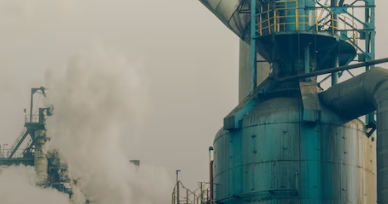
The geopolitical tensions have had significant repercussions on global energy markets. The suspension of LNG production at key Qatari sites due to the attacks has led to a surge in gas prices. The UK NBP and Europe’s TTF experienced increases of approximately 38%, with the TTF reaching around €60/MWh. Additionally, Brent crude oil prices rose by 7–8%, marking the highest levels since mid-2024. As Qatar supplies about 20% of the world’s LNG, the disruption has put immense pressure on global supply chains.
Humanitarian and Geopolitical Consequences
The conflict has resulted in significant human casualties and infrastructure damage. Over 787 deaths have been reported in Iran, alongside extensive damage. In Qatar, at least 16 civilians have been injured due to falling debris. The wider Gulf region, including countries such as Saudi Arabia, UAE, Kuwait, and Bahrain, has also reported casualties and damage from Iranian strikes. The U.S. State Department has issued alerts for Americans in 18 Middle Eastern countries, urging them to leave immediately due to escalating risks.
Strategic and Financial Implications
The ongoing conflict poses strategic challenges, particularly in maintaining munitions supplies. Analysts warn that the conflict may transition into a war of attrition, with each side attempting to deplete the other’s missile and interceptor stockpiles. The disruption of the Strait of Hormuz, a crucial maritime trade route, has raised concerns about global trade stability. Insurance costs for shipping have surged, and major companies are reconsidering their routes through the region.
Market Reactions and Outlook
Despite the turmoil, the iShares MSCI Qatar ETF (QAT) has shown resilience, trading at USD 18.99 with a modest gain of 0.64%. This reflects cautious market optimism regarding Qatar’s ability to manage the crisis. However, the potential for future economic shocks remains high if the conflict persists. The energy market’s volatility underscores the critical need for diplomatic resolutions to prevent further disruptions.
In summary, Qatar’s defensive actions highlight its commitment to safeguarding its sovereignty amid escalating tensions with Iran. The conflict’s impact on global energy markets and geopolitical stability underscores the urgency for diplomatic interventions. As the situation develops, monitoring the strategic and financial implications will be crucial for stakeholders worldwide.









Comments are closed.