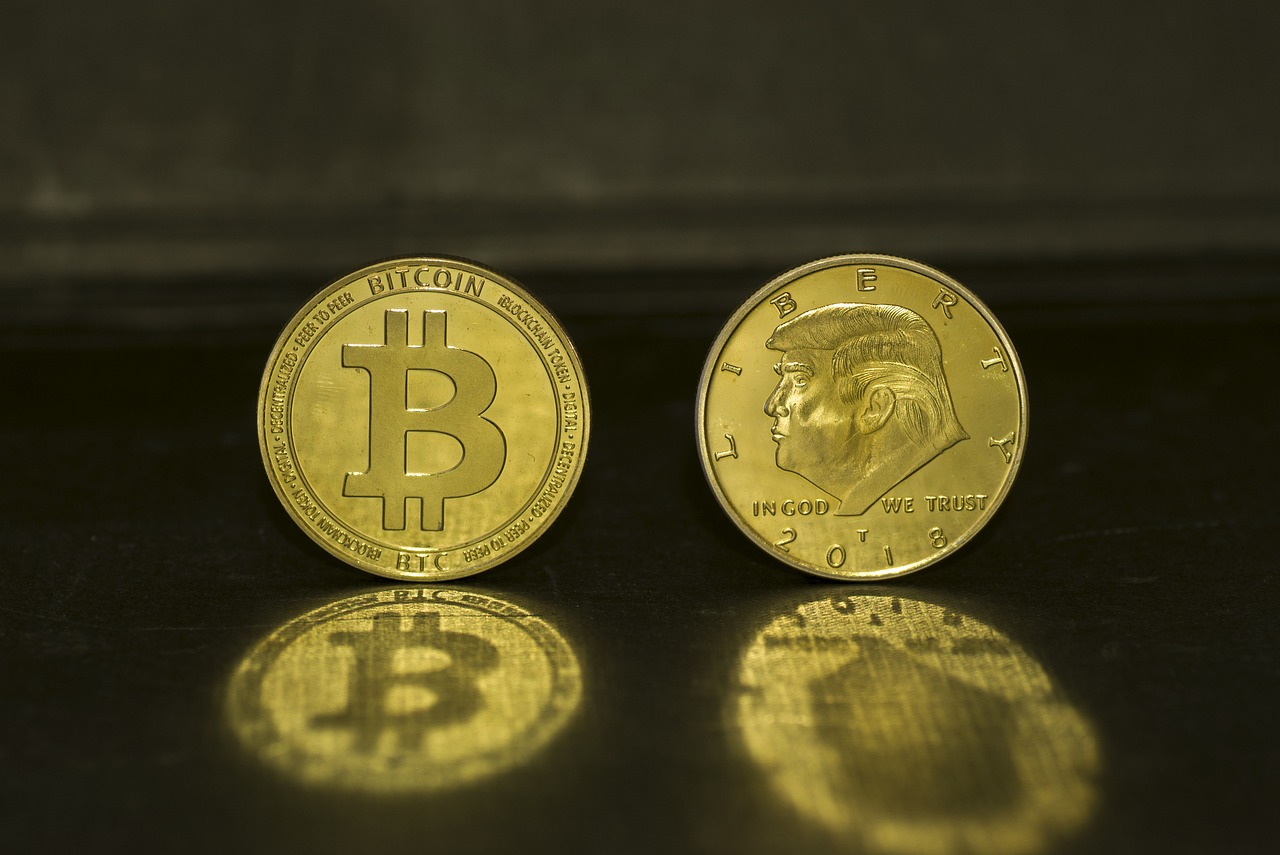
$RSX $BABA $BTC
#Russia #Trump #Putin #UkraineWar #Ceasefire #Geopolitics #StockMarket #Crypto #Investing #OilPrices #Sanctions #GlobalMarkets
U.S. President Donald Trump and Russian President Vladimir Putin are scheduled to hold a crucial discussion regarding a proposed 30-day ceasefire in Ukraine. The call, anticipated to take place in the coming hours, is expected to center on Russia’s demands and conditions for temporarily halting military operations. This development comes at a time when geopolitical tensions have significantly impacted global markets, with investors closely monitoring the situation for potential trading opportunities. A ceasefire agreement—or lack thereof—could have substantial consequences for oil prices, defense stocks, and emerging-market indices, all of which have seen heightened volatility amid the ongoing conflict. Investors, particularly those with exposure to Russian assets, energy commodities, and global equities, are weighing the possible implications of this diplomatic engagement.
Financial markets have reacted sharply to previous escalations in the Russia-Ukraine conflict, with indices swinging widely based on reports of peace talks and military movements. The Russian stock market, represented by ETFs such as $RSX, remains particularly vulnerable to geopolitical developments, as Western sanctions and capital flight continue to suppress investor sentiment. Additionally, China’s growing involvement in brokering discussions between Russia and Western powers has placed stocks like $BABA in the spotlight, given Beijing’s potential economic role in post-war reconstruction. Cryptocurrency markets have also shown sensitivity to wartime uncertainty, with assets like $BTC experiencing increased demand as traders seek decentralized alternatives to traditional financial systems. If the ceasefire talks between Trump and Putin show signs of progress, risk-on assets could see a relief rally, but continued hostilities may further drive investors toward safe-haven assets such as gold, the U.S. dollar, and defensive sector equities.
Energy markets are among the most directly impacted by geopolitical developments involving Russia, one of the world’s largest oil and natural gas exporters. Oil prices have demonstrated extreme volatility in recent months, with Brent crude and WTI futures reacting sharply to changes in diplomatic rhetoric between Moscow and Washington. Should a ceasefire deal be reached, oil prices could retreat from current highs as traders price in reduced supply disruptions. Conversely, if discussions break down, renewed concerns over supply constraints and further sanctions on Russian energy exports could push prices higher, amplifying inflationary pressures worldwide. European natural gas prices, in particular, could experience significant swings, given the region’s reliance on Russian supply. Markets will also be paying close attention to any potential easing or tightening of Western sanctions, as this could determine the future trajectory of Russian energy revenues and global energy prices.
Beyond energy, broader financial markets will be influenced by how investors interpret the ceasefire negotiations in the context of global economic stability. If investors perceive the discussions as a step toward de-escalation, emerging markets and European equities could benefit from a recovery in risk appetite, leading to gains in key indices such as the Euro Stoxx 50 and MSCI Emerging Markets Index. However, if the talks fail or lead to further geopolitical confrontations, heightened uncertainty could weigh on stock markets globally, pressuring cyclical sectors while boosting demand for defensive assets. Moreover, any shift in U.S.-Russia relations may have ripple effects on the broader policy landscape, affecting military spending, trade agreements, and global investment flows. As the call between Trump and Putin unfolds, traders, businesses, and policymakers alike will closely watch for signals that could shape the next phase of market developments.








Comments are closed.