$RSX $SPY $BTC
#Russia #Trump #Putin #Ukraine #Ceasefire #Stocks #Crypto #Investing #Geopolitics #Markets #Oil #Sanctions
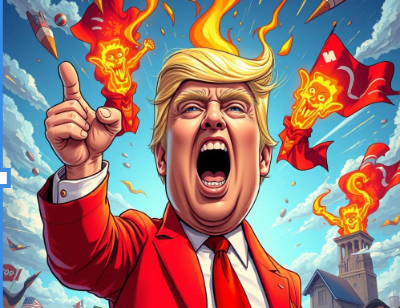
U.S. President Donald Trump and Russian President Vladimir Putin are preparing for a high-stakes discussion regarding a potential 30-day ceasefire in Ukraine. The conversation comes at a critical moment for global markets, as investors anxiously monitor geopolitical developments that could influence energy prices, stock movements, and currency markets. Russia’s demands for a ceasefire remain unclear, but any agreement could have far-reaching implications for commodities, particularly oil and natural gas, which have been highly volatile since the start of the conflict. Traders are watching the situation closely, with expectations that an agreement could boost market confidence, strengthen the Russian ruble, and ease pressure on global inflation.
The stock market has been reacting cautiously to ongoing developments between Russia and Ukraine, with increased volatility across key indices such as the S&P 500 ($SPY). Energy stocks have been among the biggest movers as any signs of de-escalation could lead to a decline in oil prices, weighing on energy sector earnings. On the other hand, defense-related stocks could see some pullback if tensions ease and the immediate need for military spending diminishes. Additionally, companies with significant exposure to Russia, including multinational corporations and commodity producers, could find relief if a ceasefire leads to easing sanctions or potential opportunities for renewed trade engagement.
In the cryptocurrency space, Bitcoin ($BTC) and other digital assets may experience notable volatility as investors react to changing geopolitical risks. During periods of heightened uncertainty, Bitcoin has often been perceived as a digital safe-haven asset, attracting capital flows from traditional markets. However, a successful ceasefire agreement could shift investor sentiment and reduce demand for alternative stores of value, potentially leading to short-term declines in Bitcoin and other cryptocurrencies. On the regulatory front, discussions over financial sanctions on Russia have also highlighted the role of crypto in bypassing restrictions, possibly shaping future regulations on the digital asset market.
Beyond financial markets, broader economic implications of a Ukraine ceasefire could impact global trade, inflation trends, and monetary policy decisions. A reduction in geopolitical tensions may support more stable supply chains, potentially relieving inflationary pressures that central banks worldwide have been battling. This could influence future interest rate decisions, particularly from the U.S. Federal Reserve, as markets closely assess how a ceasefire might alter the inflation outlook. While geopolitical uncertainty remains a key driver of financial markets, traders and policymakers alike will scrutinize Putin and Trump’s conversation for any indicators of progress, anticipating that a temporary ceasefire could set the stage for broader diplomatic negotiations.

Comments are closed.