$RTX $LMT $BTC
#Putin #Trump #UkraineWar #Ceasefire #Russia #USPolitics #Geopolitics #StockMarket #Investing #Crypto #OilPrices #DefenseStocks
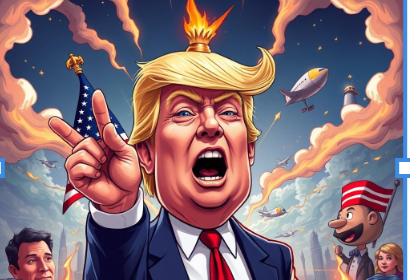
U.S. President Donald Trump and Russian President Vladimir Putin are expected to engage in critical discussions regarding a proposed 30-day ceasefire in Ukraine. This development comes amid escalating geopolitical tensions that have kept markets volatile, particularly in sectors like energy, defense, and cryptocurrency. The discussion between the two leaders is likely to influence global sentiment on military conflicts and could indicate a shift in diplomatic relations between Washington and Moscow. Investors are closely monitoring the potential outcomes, particularly the impact on defense stocks such as Lockheed Martin ($LMT) and Raytheon Technologies ($RTX), which have surged in value during the prolonged war. Similarly, energy markets remain sensitive to any progress in peace talks, as sanctions and supply disruptions from Russia have heavily influenced oil and gas prices.
The financial implications of a potential ceasefire extend beyond defense and energy markets. If the negotiations yield positive results, it could signal lower geopolitical risks, reducing demand for safe-haven assets such as the U.S. dollar and gold while potentially boosting investor confidence in riskier assets like equities. However, cryptocurrencies such as Bitcoin ($BTC) have also been influenced by geopolitical instability, with investors often using digital assets as an alternative hedge against economic uncertainties. A successful ceasefire could dampen Bitcoin’s appeal as a store of value in crisis situations, leading to short-term price corrections. Meanwhile, European markets are likely to respond favorably, particularly as the European Union remains vulnerable to the economic shocks caused by the conflict, including inflationary pressures stemming from high energy costs.
A temporary truce may also lead to strategic shifts in Russia’s approach, and analysts speculate that Moscow may use the pause to regroup militarily or negotiate for eased sanctions. This creates a complex scenario for markets, where an apparent de-escalation does not necessarily translate to long-term stability. Any prolonged uncertainty will keep investors wary, particularly in sectors tied to defense production and energy exports. Additionally, Ukraine’s stance on the ceasefire and Western allies’ responses will shape market reactions further, as any perceived weakness in NATO’s approach could lead to renewed volatility. The fluctuating nature of these negotiations reinforces the importance of geopolitical risk assessment in asset allocation strategies.
Ultimately, the short-term market movements will depend on whether the talks yield concrete diplomatic progress or merely serve as a symbolic gesture. The volatility surrounding geopolitical events continues to challenge investors, who must balance their portfolios in anticipation of potential shifts in defense contracts, energy supply chains, and broader economic stability. While a ceasefire may offer temporary market relief, the underlying conflict remains unresolved, keeping financial markets on edge. Investors should prepare for continued fluctuations in defense stocks, cryptocurrency valuations, and oil prices, as uncertainty remains a dominant theme in global markets.







Comments are closed.