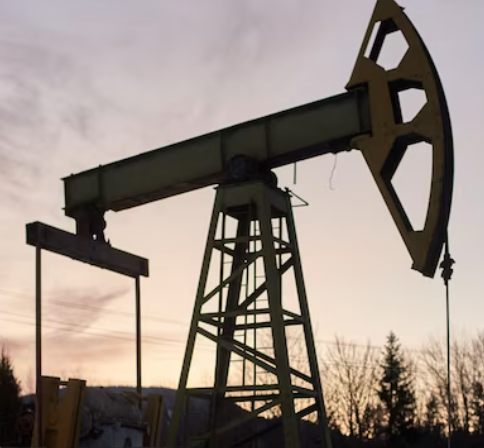
Rising Tensions: Potential Impact on Oil Markets
The possibility of military action between the U.S. and Iran has raised concerns over the stability of global oil markets. President Trump’s recent warning to Iran about severe consequences following any attack underlines the fragile geopolitics in the Middle East, a region critical to oil production.
Historical Context and Current Situation
Historically, conflicts in the Middle East have led to significant fluctuations in oil prices. In June last year, the U.S. conducted airstrikes targeting Iranian nuclear facilities, a move that resulted in temporary spikes in oil prices. Any escalation now could similarly induce volatility as markets react to potential disruptions in oil supply.
Iran is a major player in the global oil market, and any conflict could impact its ability to export oil. This would reduce global supply, potentially leading to higher prices. Moreover, tensions in the Strait of Hormuz, a critical chokepoint through which 20% of the world’s oil passes, could further exacerbate market instability.
Market Implications
Oil prices have been particularly sensitive to geopolitical developments. The potential for conflict has already led traders to closely monitor the situation, with Brent Crude and WTI benchmarks responding to any news of escalation. A prolonged conflict could see oil prices surge, impacting industries reliant on oil and potentially influencing inflation rates globally.
In recent weeks, oil prices have shown resilience, trading within a range despite global economic uncertainties. However, the looming threat of conflict could disrupt this stability. Analysts are cautiously observing the situation, noting that any significant disruption in supply could push prices above $100 per barrel.
Strategies for Investors
Investors are advised to remain vigilant, keeping an eye on developments in the region. Diversifying portfolios and considering hedging strategies might mitigate risks associated with volatile oil prices. Energy stocks and commodities could be particularly impacted, with potential opportunities for those ready to navigate the risks.
Conclusion and Outlook
The situation between the U.S. and Iran remains fluid, with potential implications for global oil markets. While the outcome is uncertain, the possibility of conflict highlights the geopolitical risks inherent in the oil industry. Investors should prepare for possible market disruptions and consider strategies to manage volatility.
As the world watches closely, the oil market’s response will likely depend on the scale and duration of any potential conflict. Stakeholders in the energy sector must stay alert, ready to adapt to changing circumstances in this high-stakes scenario.

Comments are closed.