Pope Leo XIV’s Plea for Peace
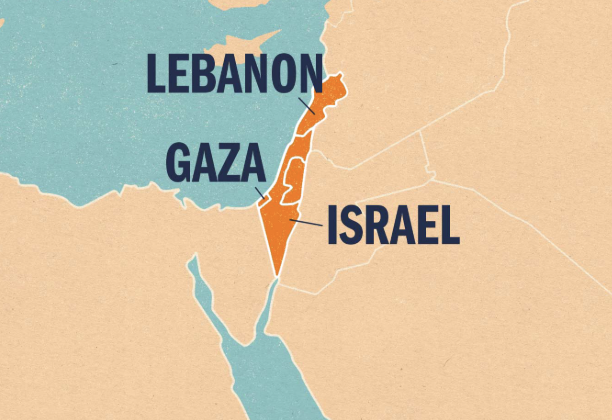
In the midst of escalating tensions between the US, Israel, and Iran, Pope Leo XIV has made a heartfelt appeal for peace. His message, delivered via a tweet, urged for the cessation of bombings and the silencing of weapons to open avenues for dialogue. This statement comes as the conflict intensifies, with recent Israeli strikes on Iranian fuel infrastructure exacerbating the situation.
On March 8, Israel launched attacks on 30 Iranian fuel depots, causing significant damage and triggering public friction between the US and Israel. The US expressed dismay over these actions, which exceeded the scope previously communicated to them. This development highlights the complexities and strains within the US-Israel alliance as they confront Iran.
Market Reactions and Economic Implications
The ongoing conflict has led to volatility in global markets, particularly in the oil sector. Although specific price data for March 9 is unavailable, reports indicate a surge in oil prices following Iran’s appointment of a new supreme leader, Mojtaba Khamenei. This leadership change has been accompanied by renewed Iranian attacks on Israel and Gulf nations, further destabilizing the region.
The strikes on Iranian fuel infrastructure pose significant risks to global energy supply chains, potentially driving oil prices higher in the short to medium term. As tensions rise, the economic implications extend beyond the immediate conflict zones, affecting global markets and energy security.
Geopolitical Dynamics and Humanitarian Concerns
The conflict, dubbed Operation Lion’s Roar, began on February 28, 2026, with joint US-Israel operations targeting Iran’s military and infrastructure assets. The campaign has resulted in thousands of destroyed targets across Iran, including significant civilian casualties. The violence has claimed over 1,332 lives in Iran alone, with additional casualties reported in Israel and neighboring Gulf states.
Iran’s internal situation is marked by deep societal divisions and media suppression. The appointment of Mojtaba Khamenei as the new supreme leader signals a potential hardening of Iran’s stance, with the country rejecting ceasefire negotiations and preparing for possible US ground invasions.
Internationally, the UN Security Council has convened emergency sessions, calling for an immediate halt to hostilities and a return to diplomatic efforts. However, the lack of progress in ceasefire talks underscores the challenges of achieving peace in the region.
Future Outlook and Takeaways
Pope Leo XIV’s appeals for peace reflect a moral counterpoint to the ongoing violence, emphasizing the need for dialogue and diplomacy. While his influence may shape media narratives and diplomatic discussions, the entrenched positions of the involved parties make a resolution elusive.
As the conflict continues, market participants and policymakers must navigate the complex geopolitical landscape and its economic ramifications. The potential for a wider regional war remains a significant concern, with implications for global stability and energy markets.
In summary, the US-Israel-Iran conflict presents a multifaceted challenge, intertwining geopolitical tensions with economic and humanitarian impacts. The international community’s response and efforts towards peace will be crucial in shaping the future trajectory of this crisis.






Comments are closed.