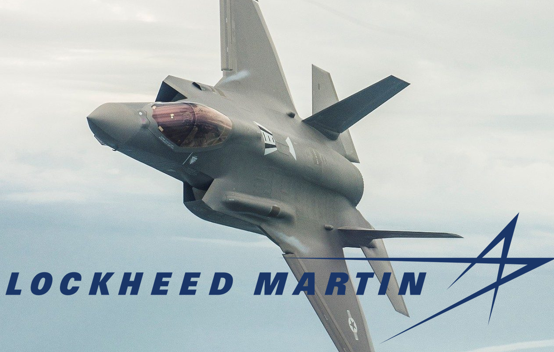
The Pentagon’s Strategic Shift
The U.S. Department of Defense’s decision to blacklist Anthropic, a leading AI technology company, has sent ripples across the defense technology sector. For companies like Lockheed Martin ($LMT) and Northrop Grumman ($NOC), which rely heavily on government contracts, the imperative is clear: reevaluate partnerships that could jeopardize their standing with the Pentagon.
Anthropic, known for its AI system Claude, has been a significant player in the AI space. The Pentagon’s move marks a critical juncture, as defense contractors grapple with maintaining compliance and securing future contracts amidst evolving regulatory landscapes.
Impact on Government Contracts
Defense companies are now facing tough decisions. The reliance on Anthropic’s AI solutions, like Claude, has placed firms in a precarious position. The primary concern lies in whether to abandon these technologies to safeguard lucrative government contracts. As government spending on defense continues to increase, maintaining these contracts is crucial for sustaining revenue growth.
The stakes are high, as defense budgets are projected to rise. According to recent forecasts, the U.S. defense budget is expected to grow by 5% annually, reaching over $750 billion in the next fiscal year. Companies that fall out of favor with the Department of Defense risk losing access to this expanding pool of funds.
Anthropic’s Challenges and Market Reactions
Anthropic’s inclusion on the blacklist not only impacts its business prospects but also sends a cautionary signal to other AI firms working with government agencies. This development has spurred a notable market reaction, with shares of publicly traded defense companies experiencing volatility.
Despite being a private company, Anthropic’s situation underscores the broader challenges faced by tech firms navigating the intricacies of government regulations. Industry analysts suggest that other AI companies might face similar scrutiny as the government tightens its oversight on the use of AI in defense applications.
Looking Ahead: Strategic Realignments
For defense contractors, the road forward involves careful strategic realignment. Companies must weigh the benefits of cutting-edge AI technologies against the risks of falling afoul of government regulations. This situation may lead to increased investments in developing proprietary AI solutions, reducing dependence on external providers like Anthropic.
Furthermore, this scenario opens opportunities for competitors to fill the gap left by Anthropic’s potential market exit. Companies with robust compliance frameworks and alternative AI offerings could capitalize on the shifting dynamics, potentially gaining a competitive edge in securing future contracts.
The evolving landscape of defense technology and AI integration points to a period of transformation. As regulations continue to evolve, companies will need to adapt quickly to maintain their competitive standing.
Summary and Future Outlook
The Pentagon’s blacklisting of Anthropic has catalyzed significant shifts within the defense tech sector. Companies are reexamining their partnerships to ensure compliance and secure their future in a growing market. As the industry pivots, the focus will increasingly be on developing in-house capabilities and prioritizing strategic alliances that align with regulatory requirements.
Looking ahead, the defense tech landscape will continue to evolve, driven by both regulatory pressures and technological advancements. Firms that successfully navigate these challenges will be well-positioned to capture a share of the increasing defense budget.










Comments are closed.