
Partial US Government Shutdown Starts Amidst DHS Funding Disputes
On January 31, 2026, a partial U.S. government shutdown commenced due to Congress’s inability to pass necessary appropriations legislation. The impasse centers around disagreements over the Department of Homeland Security (DHS) funding, primarily driven by Democratic demands for reforms in immigration enforcement.
Background and Core Issues
The shutdown, effective from 12:01 AM EST, follows the Senate’s approval of a $1.2 trillion funding package on January 30. This package included complete funding for most federal departments and a two-week continuing resolution for DHS. However, the House will not vote on the measure until February 2, leading to the shutdown.
The primary contention involves Democratic calls for reforms following the deaths of two U.S. citizens in Minneapolis at the hands of federal agents. Proposed measures include mandatory body cameras, bans on masks, independent oversight, and a code of conduct, which have not yet been agreed upon.
Immediate and Expected Impacts
While essential services such as Social Security, Medicare, military operations, and national parks will continue, agencies like DHS, IRS, FEMA, TSA, HUD, and the Pentagon are facing disruptions. Analysts predict the fiscal impact of this ‘partial’ shutdown could be comparable to last year’s full shutdown, with potential GDP losses of approximately 0.1–0.15 percentage points per week, equivalent to about $7 billion weekly.
Market Reactions
The markets reflected heightened volatility, with the SPDR S&P 500 ETF (SPY) experiencing a minor decline of 0.36% to $691.97. Safe-haven assets surged, with gold prices exceeding $5,000 per ounce and silver nearing $115 per ounce. The CBOE Volatility Index (VIX) indicated increased market anxiety, while 10-year Treasury yields fell to about 4.22%, highlighting demand for government debt despite the uncertainty.
Expert Analysis and Future Outlook
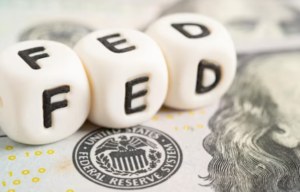
Market experts and financial analysts from Wolfe Research and UBS suggest that the shutdown’s impacts might be modest and short-lived, with investor focus remaining on broader economic drivers like Federal Reserve policies and corporate earnings. However, extended shutdowns could weaken the U.S. dollar and influence Federal Reserve decisions, as noted by Joe Brusuelas of RSM.
Prediction markets, including Polymarket and Kalshi, had anticipated a high probability of a shutdown, with estimates around 80% by the end of January. This anticipation has driven significant trading volumes and market adjustments.
As the House prepares to vote on the Senate’s funding package next week, the political landscape remains tense. Public demonstrations and a general strike in Minnesota reflect the growing unrest over immigration policies, potentially adding pressure for a swift resolution.
Conclusion
The current partial shutdown underscores the challenges in negotiating federal funding amidst political division. While immediate disruptions are limited, the potential for extended economic impact looms if the deadlock continues. The upcoming House vote will be pivotal in determining the shutdown’s duration and the subsequent direction of U.S. fiscal policy.




Comments are closed.