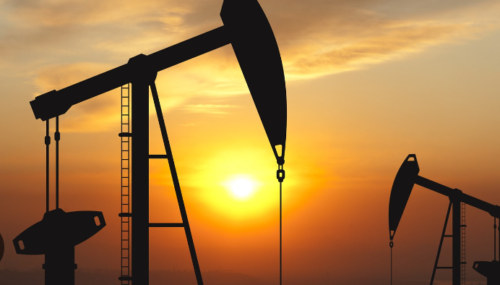
Escalating Tensions Boost Oil Prices
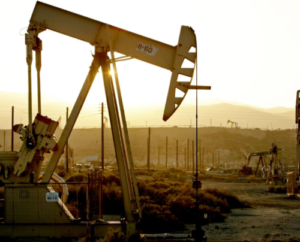
Oil prices have surged to their highest levels in nearly two years as geopolitical tensions in the Middle East escalate. On Friday, oil futures reached levels not seen since mid-2024, with West Texas Intermediate (WTI) and Brent crude both seeing significant gains. This increase is largely driven by the ongoing conflict with Iran, which has entered its second week with little indication of resolution. The uncertainty surrounding Middle Eastern oil supplies has magnified investor concerns, pushing prices upwards.
Market Implications and Investor Reactions
As the conflict persists, global markets are facing a wave of uncertainty. The possibility of disrupted oil supplies from the region, which is crucial for global energy exports, has heightened market volatility. Investors are closely monitoring the situation, with many anticipating further price increases if the conflict continues. Analysts suggest that oil prices could approach or even exceed $150 per barrel if tensions remain unresolved, echoing warnings from key figures such as Qatar’s energy minister.
Economic Impact and Strategic Responses
The rising oil prices are expected to have far-reaching effects on the global economy. Higher energy costs could lead to increased inflationary pressures, affecting industries and consumers alike. Governments and central banks may need to reconsider their monetary policies to address the potential economic fallout. In response, some countries are looking to diversify their energy sources and strengthen reserves to mitigate the impact of prolonged high oil prices.
Technical Analysis and Future Outlook
From a technical perspective, both WTI and Brent crude are showing bullish trends, supported by strong momentum indicators. Should current conditions persist, traders may see further upward movement, with key resistance levels being tested. Market analysts are advising caution, however, noting that any sudden de-escalation could trigger rapid price corrections. For now, market participants remain vigilant, with geopolitical developments dictating the pace and direction of oil prices.
Conclusion and Forward Outlook
In summary, the ongoing conflict in the Middle East is a critical factor influencing current oil price dynamics. As tensions continue, oil markets are expected to remain volatile, with potential for significant price swings. Investors and policymakers alike are advised to stay informed and prepared for various scenarios. Moving forward, the focus will be on how geopolitical events unfold and their subsequent impact on global oil supply and economic stability.




Comments are closed.