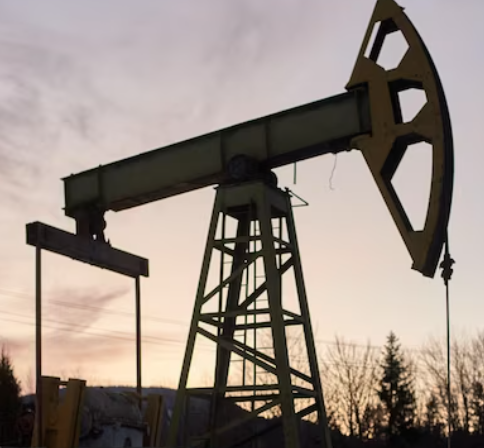
Geopolitical Tensions Shake Oil Markets
Oil prices have surged back to multi-month highs, driven by escalating geopolitical tensions in the Middle East. The ongoing conflict involving Iran has sparked concerns over potential disruptions to oil supplies, leading to increased market volatility. As a result, major crude benchmarks such as West Texas Intermediate ($CL_F) and Brent Crude ($BZ=F) have seen significant upward movements, with prices nearing the critical $100 per barrel mark.
Supply Concerns Intensify
With the potential for supply chain disruptions looming, traders and investors are closely monitoring the situation. Iran, a key player in the global oil market, faces increasing scrutiny amid the geopolitical unrest. The possibility of sanctions or further military conflicts could constrict oil exports, tightening global supply and pushing prices higher. Goldman Sachs has cautioned that the cost of crude oil could exceed $100 per barrel, a level not seen since 2014, should tensions persist or escalate further.
Economic Implications of Rising Oil Prices
The upward trajectory of oil prices has broad economic implications. Higher energy costs can lead to increased inflationary pressures, which central banks worldwide are already contending with. The rising costs could impact consumer spending and industrial production, potentially slowing economic growth. In the United States, the Federal Reserve has been closely monitoring inflation trends, and further hikes in oil prices may complicate their monetary policy outlook.
Impact on Global Markets
Beyond crude oil, the ripple effects are felt across various sectors. Transportation and logistics industries face escalating operational costs, while manufacturers dependent on oil-derived products may encounter increased production expenses. Additionally, nations heavily reliant on oil imports, such as those in Europe and Asia, could experience trade imbalances and fiscal strain.
Market Outlook
The future trajectory of oil prices remains uncertain, contingent on geopolitical developments and global economic dynamics. While some analysts suggest that a resolution to the Iran conflict could ease supply concerns and stabilize prices, others warn of potential further escalation. Investors should remain vigilant, staying informed about geopolitical shifts and macroeconomic indicators that could influence oil market movements.
In summary, the recent surge in oil prices underscores the vulnerability of global energy markets to geopolitical tensions. As prices flirt with the $100 per barrel threshold, stakeholders across sectors are bracing for potential economic impacts. Looking ahead, the focus will remain on diplomatic efforts and policy responses as key determinants of future market trends.










Comments are closed.