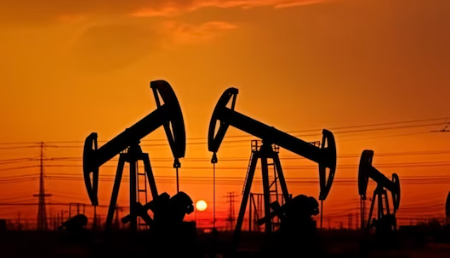
Oil Prices Defy Expectations
Contrary to recent claims of a 19% drop, oil prices have surged dramatically as geopolitical tensions escalate. The G7 countries are reportedly considering a massive release of crude oil from strategic reserves, but the market has reacted with a sharp increase in prices. As of March 9, 2026, Brent crude has risen approximately 24%, trading at $115.31 per barrel, while U.S. West Texas Intermediate (WTI) is up 28%, reaching $116.33 per barrel.
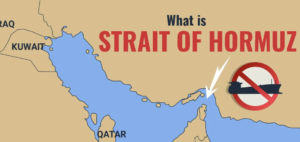
This unexpected rise in oil prices is driven by intensifying conflict in the Middle East, particularly involving the U.S. and Israel against Iran. The strategic Strait of Hormuz, a critical chokepoint for global oil transit, has seen significant disruptions, affecting about 20% of the world’s oil exports. These supply chain disruptions have fueled fears of prolonged shortages, contributing to the price surge.
G7’s Strategic Response
The G7 finance ministers are deliberating a coordinated release of oil reserves to stabilize the market. Reports suggest that the release could involve 300 to 400 million barrels, representing a substantial portion of the U.S. reserves. This move aims to counteract the supply disruptions and mitigate the soaring prices. However, as of now, these discussions remain at a preparatory stage, with no official release confirmed.
The International Energy Agency (IEA) is expected to play a key role in coordinating this potential release. Historical precedents, such as the IEA’s 60 million barrel release in 2022 during the Ukraine crisis, show that such actions can temporarily ease price spikes. However, analysts caution that these measures may not have a lasting impact if underlying geopolitical tensions persist.
Market Reactions and Future Implications
The oil market’s reaction has been one of volatility and uncertainty. Analysts, including those from Morgan Stanley, warn that if the geopolitical conflict continues, the world could face sustained high oil prices, increased inflation, and broader economic uncertainty. The potential for oil prices to reach $150 per barrel has been suggested if the Strait of Hormuz remains blocked.
Investors are closely monitoring the situation, with some engaging in ‘panic buying’ to hedge against further price increases. The current market dynamics underscore the fragile balance between supply and demand in the global oil market, influenced heavily by geopolitical events.
Summary and Outlook
In summary, the oil market is experiencing significant volatility due to geopolitical tensions and potential strategic reserve releases by the G7. While the discussions around releasing reserves are ongoing, the immediate market impact has been a surge in prices rather than a decline. As the situation develops, stakeholders will need to navigate the challenges of supply disruptions and market volatility. Looking ahead, the resolution of geopolitical tensions will be crucial in determining the trajectory of oil prices and global economic stability.





Comments are closed.