Geopolitical Tensions Escalate
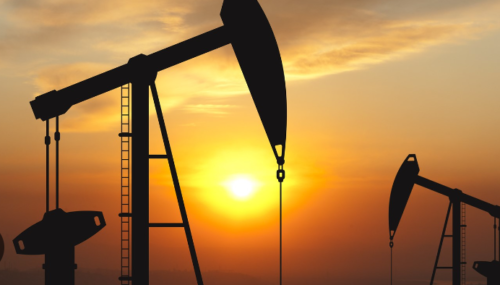
The global oil market is experiencing significant volatility as the conflict in West Asia intensifies, putting pressure on crucial supply routes, notably the Strait of Hormuz. This narrow passageway is vital for global oil transportation, with about a fifth of the world’s oil passing through it. The recent unrest has prompted fears of disruptions, sending crude oil prices soaring to near one-year highs.
Major oil benchmarks such as West Texas Intermediate ($WTI) and Brent Crude ($BRENT) have seen substantial price increases. These spikes are not just a reflection of immediate supply concerns but also a response to the broader geopolitical instability in the region. Market participants are closely monitoring the situation as any escalation could lead to further supply chain interruptions.
Impact on Global Economies
Rising oil prices are also raising alarms about inflationary pressures worldwide. Major Asian economies such as India, China, Japan, and South Korea, which are heavily reliant on oil imports, are particularly vulnerable. These countries face the dual challenge of managing increased import costs while trying to sustain economic growth.
In India, for instance, the surge in oil prices could exacerbate inflation, potentially forcing the Reserve Bank of India to rethink its monetary policy stance. Similarly, China’s industrial sector, which heavily depends on energy imports, could see increased production costs, affecting its global trade competitiveness.
Energy Markets and Inflation Concerns
The ripple effects of higher oil prices extend beyond just energy markets. As transportation and manufacturing costs rise, the broader economy feels the impact, leading to potential price hikes in various consumer goods. This scenario is particularly concerning for central banks that are already grappling with inflationary pressures.
In the United States, the Federal Reserve faces a complex balancing act. With inflation already running above target levels, a sustained increase in oil prices could complicate its efforts to maintain price stability. The potential for higher energy costs to seep into core inflation measures could prompt more aggressive monetary policy actions.
Potential Long-term Implications
Long-term, the current situation underscores the vulnerabilities of global energy supply chains and the necessity for diversified energy sources. The reliance on volatile regions for crucial energy inputs highlights the importance of investing in alternative energy sources and enhancing domestic energy production capacities.
Countries are increasingly recognizing the strategic importance of energy security and are likely to accelerate investments in renewable energy and other sustainable alternatives. This transition, while necessary in the face of climate change, also presents its own set of challenges and opportunities for global markets.
Conclusion and Outlook
In summary, the West Asia unrest has created significant uncertainty in global oil markets, with far-reaching implications for economies worldwide. The current situation demands vigilant monitoring by policymakers and market participants alike.
Looking ahead, the trajectory of oil prices will largely depend on developments in the region and the global response to these challenges. While the immediate focus remains on stabilizing supply routes, the long-term emphasis will likely shift towards building resilient energy infrastructures to mitigate future risks.




Comments are closed.