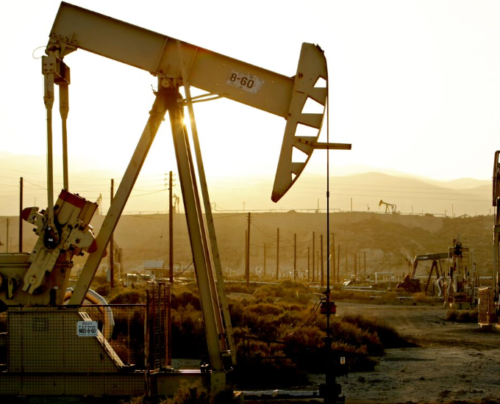
Oil Market Faces Turbulence
The global oil market is experiencing significant volatility as crude oil prices have surged this week, reaching over $80 per barrel. This increase is primarily attributed to the escalating tensions between the U.S. and Iran, which have heightened geopolitical risks in the Middle East, a crucial region for oil production and exports.
Oil prices have jumped approximately 20% since the conflict intensified, reflecting concerns over potential disruptions in supply chains. The Middle East is home to some of the world’s largest oil reserves, and any conflict there can send shockwaves across global markets, as seen in current pricing dynamics.
Impact on Global Supply Chains
The escalation of hostilities has cast a shadow over the already fragile global oil supply chains. The Strait of Hormuz, a vital corridor for oil transportation, is at the center of geopolitical tensions, raising fears of potential blockades. This strait sees about 20% of the world’s oil consumption passing through its waters, making it a strategic chokepoint.
Market analysts are closely monitoring the situation, as any closure or disruption in this passage could severely impact oil availability worldwide. Energy analysts note that while countries are looking to diversify energy sources, the immediate reliance on oil remains significant, leading to sharp price fluctuations in times of geopolitical instability.
Market Reactions and Economic Impact
Financial markets have reacted sharply to the oil price surge. Energy stocks are witnessing increased volatility, with companies involved in oil exploration and refining seeing mixed results based on their geographic exposure. Meanwhile, countries heavily dependent on oil imports are bracing for potential economic impacts due to rising energy costs.
As oil prices climb, there are concerns about inflationary pressures building up within global economies. Higher fuel costs translate into increased transportation and production expenses, which can ripple through the economy, affecting everything from consumer goods prices to industrial output.
Future Outlook for Oil Prices
Looking ahead, the trajectory of oil prices will largely depend on geopolitical developments and any diplomatic efforts to de-escalate tensions in the Middle East. Analysts suggest that sustained high prices could incentivize increased production elsewhere, particularly in the U.S., where shale oil producers might ramp up operations.
However, any substantial increase in production might take time to materialize, leaving markets in a state of uncertainty in the short term. Stakeholders are advised to stay updated on geopolitical developments and be prepared for continued volatility in the oil markets.
In summary, the current surge in oil prices underscores the intricate link between geopolitical events and global market stability. As the situation unfolds, businesses and consumers alike should anticipate shifts in energy costs and their broader economic implications. Staying informed and flexible will be key to navigating this period of uncertainty in the oil market.





Comments are closed.