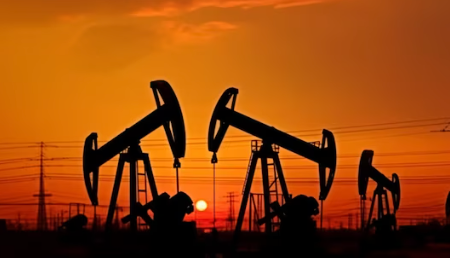
U.S. Intervention Calms Oil Markets
The oil market experienced a notable shift recently, sending prices on a downward trajectory for the first time since the outbreak of hostilities in the Middle East. This development comes as the United States, under the guidance of President Donald Trump, pledged to support the safe passage of oil tankers through the troubled region. Trump’s assurance of naval escorts, if deemed necessary, has played a pivotal role in alleviating fears about potential disruptions to global oil supplies.
With tensions still simmering, energy traders globally have been on high alert, monitoring every development closely. The intervention by the U.S. government is seen as a stabilizing force, offering a buffer against the volatile swings that geopolitical incidents tend to trigger in the oil markets. The reassurance has provided a sense of security, which has been reflected in the easing of crude prices.
Impact on Global Oil Prices
This U.S. move comes amidst fluctuating market dynamics. Prior to the recent events, oil prices had been climbing steadily due to concerns over reduced production capacity and geopolitical instability in the region. However, the recent assurance has helped neutralize some of the speculative pressure that was pushing prices upwards.
West Texas Intermediate (WTI) crude, one of the main benchmarks for U.S. oil pricing, saw its prices dip slightly as a result. Market analysts suggest that while the current intervention is a positive step, the sustainability of this price stabilization depends on how the situation evolves in the Middle East. Any further escalation could negate these efforts, bringing back the volatility.
Market Analysis and Future Outlook
Historically, oil markets have been highly sensitive to geopolitical developments, especially those emanating from the Middle East, a region that holds a significant proportion of the world’s oil reserves. The current situation underscores the intricate balance between political stability and market dynamics.
Looking forward, the key factors to watch include the scale of U.S. involvement in ensuring safe passage for oil shipments and the broader geopolitical landscape. Analysts are also closely observing OPEC’s movements, as any decisions regarding production levels could further impact market equilibrium.
Brent crude, another major benchmark, has also shown signs of stabilization. Still, traders remain cautious, aware that the market is only one unexpected event away from significant movement.
Summary
Overall, while the U.S. government’s commitment has brought temporary relief to the oil markets, the path forward remains uncertain. The ability of global oil prices to maintain stability largely depends on the geopolitical climate and proactive measures by key players such as OPEC and leading oil producers. For now, the global oil market holds its breath, hoping for lasting peace in a historically volatile region.






Comments are closed.