
Oil Prices Experience Volatility
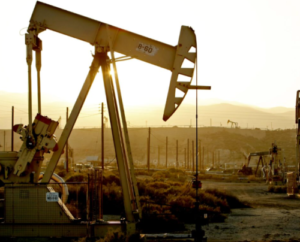
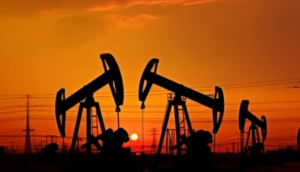
Oil markets faced a rollercoaster session, initially surging past the $80 per barrel mark for the first time in recent months. Brent crude futures saw a notable increase of 3.54%, closing at $84.31. This spike was largely driven by supply concerns stemming from geopolitical tensions in the Middle East, a region crucial to global oil production. However, as the session progressed, these fears somewhat abated, leading to a slight dip in prices.
Market analysts highlight that the Middle East’s ongoing instability continues to be a significant driver of oil price fluctuations. The region’s geopolitical tensions contribute to fears of supply disruptions, which in turn, fuel price volatility. Despite the recent decline, oil prices remain elevated, with many analysts predicting further fluctuations in the near term.
Asian Markets Respond Positively
In response to the easing of oil prices, Asian stock markets demonstrated a positive trend. Major indices across the continent experienced gains, with investors showing renewed confidence despite earlier concerns. The Nikkei 225 in Japan rose by 0.7%, while Hong Kong’s Hang Seng Index increased by 0.5%, reflecting a broader optimistic sentiment among Asian investors.
Asian economies are particularly sensitive to oil price movements given their reliance on energy imports. The recent easing in oil prices provides a cushion to these economies, alleviating some pressure on inflation and enabling better fiscal management. This has translated into a more favorable outlook for the region’s equity markets, as investors reassess the risk associated with oil imports.
Global Economic Implications
The global economy remains on edge as oil prices continue to react to geopolitical developments. A sustained high in oil prices could have significant repercussions, including increased inflation and strained economic growth worldwide. Central banks might face challenges in maintaining a balance between controlling inflation and supporting economic recovery.
Given the current economic landscape, many analysts are keenly watching central bank policies, especially those of the Federal Reserve and the European Central Bank, to gauge potential impacts on global economic health. The oil market’s instability underscores the importance of diversified energy sources and strategic reserves to buffer against such shocks.
Outlook and Conclusion
As oil markets navigate this volatile period, investors and policymakers alike remain vigilant. The recent easing in prices offers some relief, but the outlook remains uncertain due to persistent geopolitical risks. Market participants are advised to stay informed on developments in the oil sector and global politics to make informed decisions.
In summary, while Asian markets have reacted positively to the easing of oil prices, the underlying geopolitical tensions continue to pose risks. The coming weeks will be critical in determining how these dynamics unfold and what strategies might be employed to mitigate potential negative impacts on the global economy.







Comments are closed.