Oil Market Dynamics Amid Geopolitical Tensions
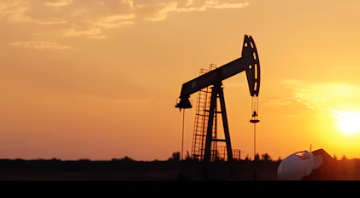
The oil market is currently experiencing significant volatility due to escalating geopolitical tensions in the Middle East. Recent developments have seen crude prices surge, with West Texas Intermediate (WTI) trading between $77 and $79 per barrel, and Brent crude hovering around $83 to $84. The closure of the Strait of Hormuz, a critical chokepoint for global oil supplies, has heightened fears of a prolonged disruption in oil flow, contributing to a dramatic rise in prices.
Despite these pressures, CNBC’s Jim Cramer suggests that the oil market is signaling the Iran conflict will not escalate further, which he views as a bullish indicator for stocks. However, this perspective contrasts with the broader market reaction, as major indices like the Dow Jones Industrial Average have plunged over 1,046 points, a 2.1% drop, primarily driven by concerns over rising oil prices and their potential impact on inflation and economic growth.
Impact on Global Markets and Inflation
The surge in oil prices has had a ripple effect across global markets. In the United States, the national average for gasoline has climbed to $3.11 per gallon, with expectations that it could rise to between $3.25 and $3.50 in the coming weeks. This increase in fuel costs is likely to exert upward pressure on inflation, complicating the outlook for central banks, which have been keen to manage inflationary pressures while supporting economic recovery.
In Europe, the situation is similarly tense. The CAC 40 index in France has fallen by 4.7% since the beginning of March, while European gas prices have surged by 50%. The conflict’s impact on energy supplies is significant, with Qatar suspending LNG production, putting 20% of global LNG supply at risk. Analysts warn that if the conflict persists or expands, Brent prices could surge towards $100 per barrel, potentially adding 0.6 to 0.7 percentage points to global inflation.
Market Analysts’ Perspectives
Analysts remain cautious about the potential for further market disruptions. Stephen Innes from SPI Asset Management notes that recent rallies in risk assets may have been short-lived relief rallies, as markets remain on edge. Meanwhile, Mabrouk Chetouane of Natixis emphasizes that the duration of the conflict will be critical, viewing the current situation as a temporary shock rather than a full-blown crisis.
Prashant Newnaha from TD Securities observes that the market’s reaction implies a belief that the conflict will be short-lived. However, the risk of prolonged disruption remains, with Capital Economics warning that an extended conflict could significantly impact global inflation and economic stability. Citigroup also highlights the risk of a sustained $10 per barrel oil price shock, which could destabilize inflation expectations in emerging markets.
Conclusion and Forward Outlook
While Jim Cramer’s optimism about the oil market signals a potential relief for stocks, the broader market narrative remains cautious. Rising energy prices, inflation risks, and geopolitical instability dominate the current economic landscape. As markets continue to react to developments in the Middle East, investors and policymakers will need to closely monitor the situation to navigate the potential economic fallout.
In summary, while there is hope that the conflict will not spiral out of control, the current market conditions suggest a need for vigilance and preparedness for potential disruptions. The coming weeks will be crucial in determining the direction of oil prices and their impact on global markets.





Comments are closed.