Nvidia’s Strategic Response to Regional Instability
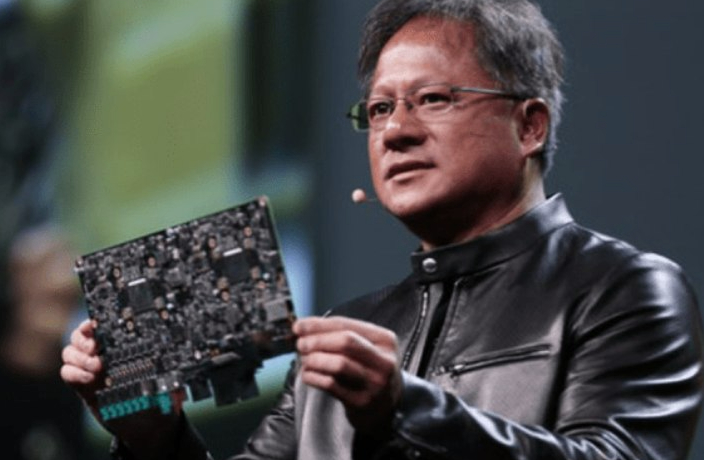
Nvidia has temporarily closed its Dubai office as tensions escalate in West Asia, a move confirmed by multiple news outlets on March 4, 2026. The decision, primarily driven by safety concerns, was communicated to employees in a memo from CEO Jensen Huang. Nvidia’s crisis management team is actively working to support the affected staff, many of whom have been directed to work remotely. This aligns with similar actions taken by other major companies in the region.
The closure underscores the geopolitical risks impacting multinational operations in the area. Approximately 6,000 of Nvidia’s Middle East-based employees are in Israel, emphasizing the potential regional impact. The company is prioritizing employee safety while ensuring business continuity through remote work strategies.
Market Impact and Strategic Implications
Market analysts have offered varying interpretations of Nvidia’s office closure. While some view it as a direct response to geopolitical threats, others suggest it may be part of a broader strategic realignment. AInvest reported that Nvidia’s focus on expanding its data center capabilities, including technologies such as Spectrum-X Ethernet and BlueField DPUs, could indicate a strategic pivot rather than a purely reactive measure.
Despite Nvidia’s robust Q4 fiscal 2026 earnings, which exceeded Wall Street expectations with an 82% increase in earnings per share and a 73% rise in revenue, the market response has been mixed. Nvidia’s stock experienced a significant drop of 5.5% on March 3, 2026, amidst broader market volatility and geopolitical uncertainties.
Future Outlook and Investor Considerations
Looking ahead, Nvidia’s upcoming GPU Technology Conference (GTC) in March is anticipated to be a potential catalyst for renewed investor interest. Analysts from institutions like Morgan Stanley and Citi remain optimistic about Nvidia’s long-term prospects, despite short-term market challenges. They highlight the importance of monitoring technical indicators, such as price recovery above the 50-day moving average, as signals for potential entry points.
Furthermore, the ongoing geopolitical situation in West Asia and its implications for global markets will be closely watched. Investors will need to consider the broader impacts of regional instability, including fluctuations in oil prices and defense stocks, which could influence market dynamics.
Summary and Key Takeaways
Nvidia’s temporary closure of its Dubai office reflects both immediate geopolitical concerns and potential strategic shifts. While the company’s financial performance remains strong, external factors such as regional tensions and market volatility continue to weigh on its stock. Investors should keep an eye on developments in West Asia, Nvidia’s strategic announcements at the GTC, and broader market trends to assess future opportunities and risks.









Comments are closed.