
Rising Geopolitical Tensions
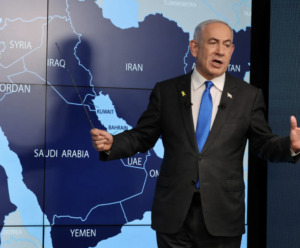
The geopolitical landscape is seeing heightened tensions as NATO forces intercepted an Iranian missile directed towards Turkey. This incident marks a significant escalation in the ongoing conflict involving Iran and underscores the fragile nature of international relations in the region. The missile interception, which took place over the weekend, has prompted a series of diplomatic responses and has raised concerns about potential retaliatory actions.
The incident not only puts the spotlight on military capabilities and alliances but also accentuates the geopolitical risks that can impact global financial markets. Investors are closely monitoring any developments that may arise from this situation, especially given Turkey’s strategic position as a NATO member and its proximity to various conflict zones.
Impact on Global Markets
The interception of the missile by NATO has brought about a volatility spike in several markets. Both European and Middle Eastern markets reacted swiftly, with investors seeking safe-haven assets amid the uncertainty. The incident has also led to fluctuations in the energy sector, given Iran’s significant role as an oil exporter. The oil markets saw a temporary price hike, reflecting concerns about supply disruptions.
In the cryptocurrency market, assets like Bitcoin ($BTC) and Ethereum ($ETH) often draw interest as alternative safe-havens during times of global unrest. Bitcoin, in particular, has maintained its stance as a digital gold, with investors looking to hedge against geopolitical risks and fiat currency volatility. As of the latest market data, Bitcoin and Ethereum have experienced slight upticks in trading volumes, indicating increased investor activity.
Investor Sentiment and Speculation
The geopolitical tensions have renewed discussions around the potential for further sanctions against Iran, which could have far-reaching implications for global trade and economic stability. Investors are speculating on the broader economic impact, particularly how it might affect inflation and interest rates. In light of these developments, central banks might reassess their current monetary policies, especially if prolonged tensions lead to economic disruptions.
Market analysts are also weighing the potential for increased defense spending among NATO countries, which could lead to shifts in government budgets and priorities. Such developments might impact sectors like defense technology and cybersecurity, offering potential opportunities for investors.
Future Outlook
As the situation unfolds, the international community will be watching closely for Iran’s next moves and NATO’s response strategy. Any further military engagements or diplomatic escalations could significantly influence global market dynamics and investor confidence.
For crypto enthusiasts, the situation could reinforce the narrative of digital currencies as a hedge against geopolitical instability. As traditional markets react to geopolitical events, Bitcoin and Ethereum might see increased adoption and usage as decentralized and borderless financial assets.
In summary, the recent NATO interception of an Iranian missile aimed at Turkey highlights the intricate balance of global politics and its impact on financial markets. Investors should stay informed about geopolitical developments and consider the potential risks and opportunities that such events present. In the coming months, the focus will likely remain on how world leaders navigate these tensions and the subsequent effects on global economic stability.









Comments are closed.