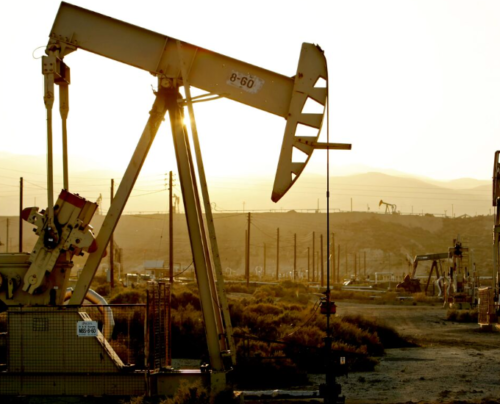
Escalating Tensions Could Shock Oil Markets
The ongoing conflict in the Middle East has prompted Qatar to caution that crude oil prices could skyrocket to $150 per barrel if the situation worsens. This region, vital for energy exports, could see its supply pathways through the Strait of Hormuz threatened, a critical junction that directs nearly a fifth of the world’s oil supply. Such a surge in oil prices is likely to have sweeping repercussions across the global economy.
Recently, the volatility in the region has already started to affect energy markets, pushing oil prices to hover around $90 to $95 per barrel. Analysts are closely watching the developments, aware that further escalations could potentially slash oil supply. The Gulf Cooperation Council’s nations, heavily reliant on oil revenue, are particularly sensitive to these price shifts.
Global Economic Repercussions
A sustained increase in oil prices to $150 per barrel would likely lead to heightened inflationary pressures worldwide. Central banks, already grappling with inflation, may be forced to tighten monetary policies further, possibly stalling economic growth. Economies such as India, which import a significant portion of their oil, could face substantial fiscal challenges, with currency devaluation exacerbating the economic strain.
Furthermore, higher energy costs could squeeze profit margins across various sectors, leading to potential downturns in stock markets globally. Historically, risk-off sentiment has prevailed when energy prices surge, as investors pivot to safer assets. The S&P 500 index, a benchmark of global economic health, could experience volatility as sectors like airlines and automotives face increased operational costs.
Stock Market Impact and Investor Strategies
Investors are advised to reassess their portfolios in light of these potential disruptions. Traditional energy companies might see their stocks gain due to higher profitability from increased oil prices, offering a hedge against other declining sectors. Conversely, industries that are heavily dependent on oil, such as transportation and manufacturing, might witness a downtrend in their stock valuations.
In such volatile markets, diversifying into commodities and defensive sectors could be a prudent strategy. Precious metals like gold often serve as a safe haven during economic uncertainty, attracting investors looking to mitigate risk. Additionally, sectors such as utilities and consumer staples, known for their resilience during economic downturns, may offer stability to investors.
Potential Long-term Effects
While immediate impacts are concerning, long-term implications could also reshape energy markets. The potential for prolonged high oil prices might accelerate investment in renewable energy sources, as countries seek to reduce dependency on volatile oil markets. This shift could foster growth in green technologies and infrastructure, altering the energy landscape significantly over the coming decades.
Moreover, geopolitical dynamics might witness a shift as countries reassess their alliances and trade partnerships in response to the changing energy scenarios. This could lead to new economic blocs and partnerships aimed at securing energy independence and stability.
Conclusion and Outlook
In conclusion, the trajectory of oil prices in the wake of Middle East tensions presents a complex challenge for the global economy. While a surge to $150 per barrel is a worst-case scenario, its potential impact on inflation, economic growth, and stock markets cannot be underestimated. Investors should remain vigilant, adapting strategies to navigate these uncertainties.
Looking forward, the situation underscores the importance of energy diversification and geopolitical stability. As nations and markets adjust, the focus on sustainable energy sources might emerge as a pivotal factor in shaping future economic resilience.


Comments are closed.