$TSLA $SPY $BTC
#DonaldTrump #MaryTrump #Wildfires #California #ClimateChange #EnvironmentalPolicy #RenewableEnergy #USPolitics #Sustainability #GreenInvesting #MarketImpact #EnergySector
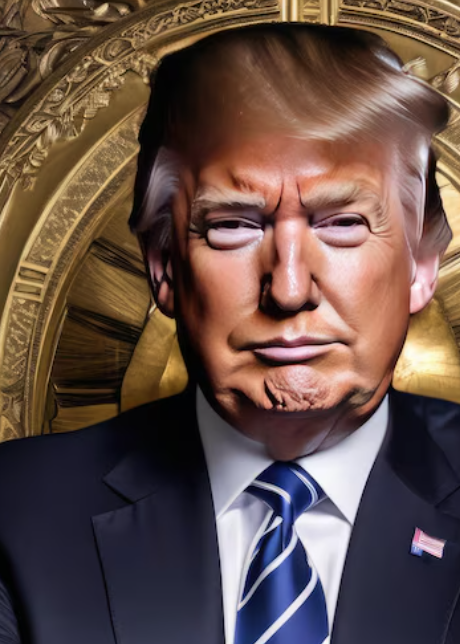
Mary Trump has publicly criticized her uncle, Donald Trump, for his remarks regarding the ongoing wildfires in southern California. Her comments are a pointed reminder of the divisive rhetoric that often surrounds climate-related disasters in the U.S., an issue that can have lasting repercussions not only on public opinion but also on financial markets. Wildfires, like those currently devastating California, typically impact several economic sectors, including energy, real estate, and insurance. Donald Trump’s stance on climate policy, combined with the increasing frequency of such natural disasters, raises broader questions about the nation’s preparedness to tackle climate-driven events and what it could mean for markets and investors.
California’s wildfires have historically drawn attention to gaps in infrastructure and the financial burden born by insurance companies and state resources. Additionally, the issue highlights the dichotomy between traditional energy reliance and the growing push toward renewable alternatives. Energy stocks like $TSLA, which spearheads the renewable energy and electric vehicle sector, could benefit in the long term as states like California prioritize clean energy to mitigate wildfires and other climate-related risks. Conversely, funds invested in traditional energy, such as heavy fossil-fuel companies that oppose climate regulation, may face increased volatility or even long-term devaluation depending on policy outcomes. This creates opportunities but also risks for investors navigating environmental, social, and governance (ESG) trends.
Political rhetoric, especially inflammatory remarks, may also bring attention to the broader economic costs of these disasters. While Donald Trump has historically downplayed climate change’s role in such events, grassroots campaigns and political adversaries continue to amplify the issue within the public consciousness. For example, California has invested billions in combating wildfires, a burden shared across federal funding and insurance companies, which can, in turn, create shifts in municipal bonds and stock portfolios linked to affected regions. Mary Trump’s public condemnation might reflect growing frustrations among Americans who expect governance that prioritizes sustainable, long-term planning. Financial analysts are increasingly taking note of these sociopolitical dynamics, as they may influence regulations and capital flow into climate tech or disaster relief sectors.
For cryptocurrency markets, which thrive on global narratives and investor sentiment, the political conversation around climate change could play a nuanced role. Cryptos like $BTC, which are often scrutinized for their energy consumption, could face intensified debate regarding environmental impacts. On the flip side, blockchain-based networks promoting carbon offsets or renewable energy tracking could gain renewed attention and potential adoption. As institutions face mounting pressure to disclose the environmental impacts of their portfolios, alternative investment avenues tied to sustainability might experience growing demand, reshaping how digital assets align with finance’s future.











Comments are closed.