Lawmakers Voice Concerns Over Impact of Tariffs
U.S. lawmakers have expressed significant concerns that tariffs imposed during the Trump administration could undermine economic stability. These tariffs, perceived as additional taxes on American businesses and consumers, are said to offer little tangible benefit to the broader economy.
Impact on American Businesses and Consumers
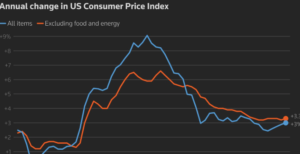
The tariffs, initially put into place with the intent of protecting domestic industries and reducing trade deficits, have faced criticism for inadvertently raising costs for American businesses and consumers. By increasing the price of imported goods, companies that rely on these imports must either absorb the costs or pass them onto consumers, leading to higher prices for everyday goods.
For industries already operating on tight margins, such as the manufacturing and retail sectors, these tariffs can significantly impact profitability, potentially leading to job cuts and slowed economic growth. This effect is particularly concerning as the economy aims to recover from the disruptions caused by the COVID-19 pandemic.
Lack of Economic Benefits
Critics argue that the tariffs have failed to achieve their intended economic goals. While they were designed to encourage domestic production and reduce trade deficits, data shows limited success in these areas. Instead, the tariffs have strained relationships with key trading partners, leading to retaliatory measures that have further complicated international trade dynamics.
The tariffs have also been a point of contention in ongoing trade negotiations, with some countries pushing back against what they see as protectionist policies. The lack of clear benefits, combined with these escalating trade tensions, raises questions about the long-term impact on the U.S. economy.
Economic Analysis and Market Context
Economic analysts have highlighted the potential risks associated with maintaining these tariffs. A study by a leading economic think tank suggests that removing the tariffs could boost the U.S. GDP by a significant margin, potentially leading to job creation and increased consumer spending.
Market reactions have been mixed, with some sectors, such as technology and agriculture, experiencing heightened volatility due to uncertainties surrounding trade policies. Investors remain cautious, monitoring any changes in tariff policies that could signal shifts in economic strategy.
Looking Ahead
As lawmakers continue to debate the merits of the tariffs, the focus remains on finding a balance that protects domestic interests without stifling economic growth. The ongoing discussions highlight the need for a nuanced approach to trade policy, one that considers both short-term impacts and long-term economic health.
In summary, while the tariffs were intended to bolster U.S. economic interests, their effectiveness remains debatable. As the U.S. navigates its economic recovery, policymakers may need to reassess these measures to ensure they align with broader economic objectives and support sustainable growth.



Comments are closed.