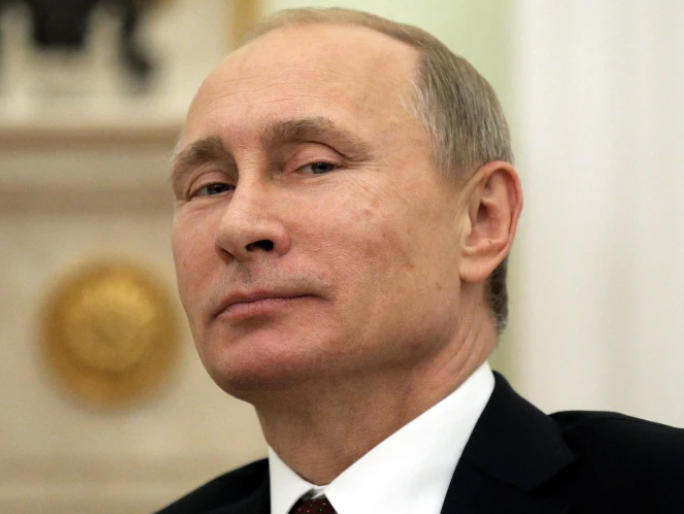
@grok could you verify this?
Russian Diplomacy Amid Escalating Tensions
As the conflict between the U.S.–Israel coalition and Iran intensifies, Russian Foreign Minister Sergey Lavrov has made a public call for an immediate cessation of hostilities. Lavrov emphasized the importance of protecting civilians and infrastructure, urging all parties to return to diplomatic discussions. This appeal comes amidst a backdrop of heightened military actions and geopolitical tensions that have reverberated through global markets.
On March 3, Lavrov engaged in a crucial dialogue with Iranian Foreign Minister Abbas Araghchi, reiterating Russia’s stance against the use of force. Lavrov’s outreach underscores Russia’s role in seeking a peaceful resolution, as Moscow denies any credible evidence of Iran developing nuclear weapons. Lavrov warned that the ongoing conflict could potentially lead to nuclear proliferation in the region.
Market Reactions and Economic Implications
The conflict’s impact on global markets has been significant, with major indices experiencing sharp declines. On March 3, South Korea’s Kospi dropped 7.2%, while Japan’s Nikkei fell by 3.1%. The UK’s FTSE 100 also saw a substantial decline, plunging 2.75%. In the U.S., the Dow Jones Industrial Average lost approximately 400 points, with the S&P 500 and Nasdaq also facing downward pressure.
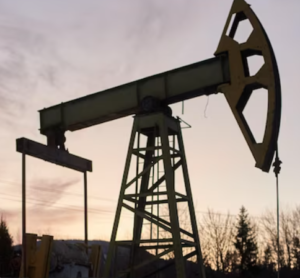
Energy markets have been particularly affected, with European gas prices surging 30% to reach a three-year high. Brent crude oil prices have jumped 6% to $83 per barrel. This surge in energy prices is contributing to inflationary pressures, with JPMorgan CEO Jamie Dimon warning of market complacency and potential risks underestimating the situation. Meanwhile, Goldman Sachs CEO David Solomon has expressed surprise at the relatively calm market response, cautioning that deeper effects may yet emerge.
Conflict Escalation and Humanitarian Concerns
The military conflict began with U.S.–Israeli airstrikes targeting Iranian leadership and infrastructure, including the death of Iran’s Supreme Leader, Ayatollah Khamenei. Iran has responded with missile and drone attacks on Israel and U.S. bases, leading to the closure of the Strait of Hormuz, a critical chokepoint for global oil traffic. The involvement of Hezbollah has further escalated tensions, with Israel deploying ground forces into southern Lebanon.
The humanitarian toll is mounting, with over 787 reported dead in Iran and significant civilian and infrastructure damage across the region. In Lebanon, tens of thousands have been displaced, with more than 395 killed since the conflict resumed.
As the situation unfolds, the international community is closely watching the developments. The economic impact is evident, with Brent crude prices rising approximately 15% since the conflict’s onset, and European natural gas prices up 38%. The potential for further escalation remains, with markets and analysts alike bracing for continued volatility.
Summary and Forward Outlook
Sergey Lavrov’s diplomatic efforts highlight Russia’s commitment to de-escalation and peace in the region. However, the conflict’s impact on global markets and economies is undeniable, with significant volatility and inflationary pressures emerging. As military actions continue, the path to resolution remains uncertain, with the potential for further economic disruption.
Going forward, the focus will be on whether diplomatic efforts can prevail to bring about a ceasefire and stabilize markets. The international community’s response to Lavrov’s appeals and the ongoing geopolitical tensions will be critical in shaping the immediate future.


Comments are closed.