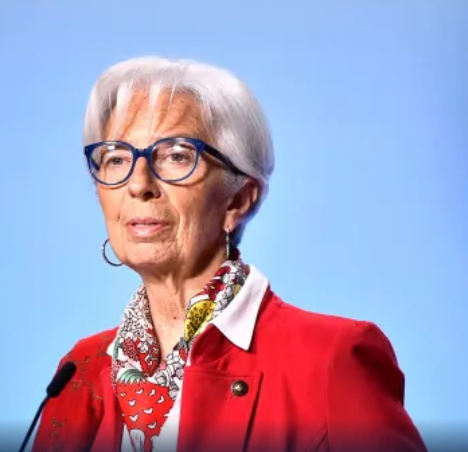
Christine Lagarde Set to Resign from ECB Presidency
In a surprising turn of events, Christine Lagarde, President of the European Central Bank (ECB), is expected to resign before completing her term, according to a report by the Financial Times. This development has sent ripples through the financial markets as stakeholders evaluate the potential impacts on the Eurozone’s monetary policy and economic outlook.
Market Reactions and Implications
Lagarde’s anticipated resignation comes at a critical time for the ECB, which has been grappling with inflationary pressures and the economic fallout from geopolitical tensions. The Eurozone’s key interest rate decisions, highly influenced by Lagarde’s leadership, have been pivotal in navigating these challenges. With her departure, market participants are speculating about potential successors and policy shifts that could follow.
The immediate market response saw the Euro ($EURUSD) experiencing volatility, as investors weigh the implications of a potential change in the ECB’s direction. Historically, leadership transitions in major financial institutions often lead to short-term market fluctuations as uncertainty looms over future policy adjustments.
Potential Successors and Policy Directions
While Lagarde’s accomplishments during her tenure are widely acknowledged, including her efforts in steering the ECB through unprecedented challenges posed by the COVID-19 pandemic, the focus now turns to potential successors. Names such as ECB Vice President Luis de Guindos and Bundesbank President Jens Weidmann have been floated as possible contenders, each representing different monetary policy perspectives.
Analysts suggest that a shift in leadership could result in varying approaches to interest rates, quantitative easing, and other monetary tools. The ECB’s stance on inflation control and economic stimulus will be critical factors in the selection process of the new president.
Broader Economic Impact
The potential resignation of Lagarde also raises questions about the broader economic implications for the Eurozone. Her leadership has been marked by a dovish monetary policy, aimed at supporting economic recovery and maintaining financial stability. A change in this approach could have significant impacts on economic growth and investor confidence.
Moreover, the ECB’s policy direction is closely watched by global markets, as it influences global capital flows and currency valuations. A shift in policy under new leadership could have far-reaching effects beyond European borders.
Conclusion and Takeaway
Christine Lagarde’s expected resignation from the ECB presidency has introduced a new layer of uncertainty in an already complex economic landscape. As markets and policymakers await official announcements and details on her successor, the focus will be on how these changes might affect the Eurozone’s monetary policy trajectory and the broader economic environment.
Investors should remain vigilant, keeping an eye on developments within the ECB and potential market reactions. The unfolding situation underscores the importance of adaptability in navigating the ever-evolving financial ecosystem.

Comments are closed.