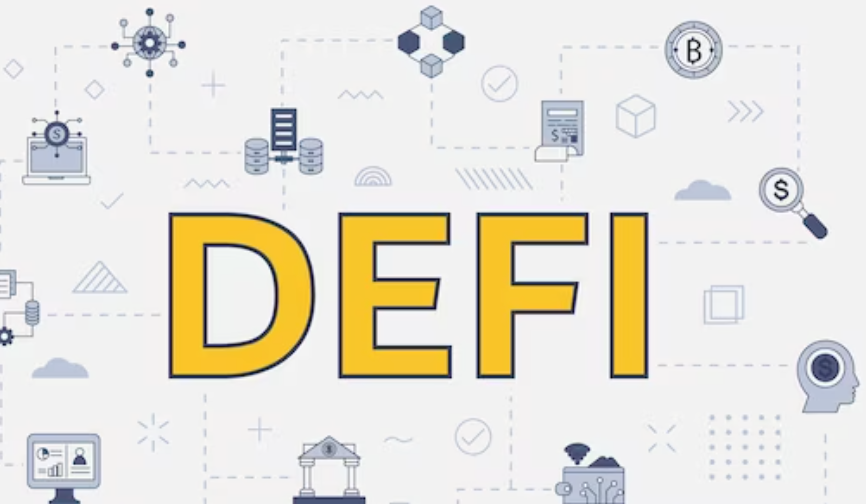
Uniswap Scam Token Case Dismissed
In a significant legal decision, a U.S. District Judge in New York City dismissed a case against Uniswap, highlighting the challenges of attributing accountability in decentralized finance (DeFi). The lawsuit involved allegations against Uniswap for facilitating scam token transactions. However, the judge ruled that due to the decentralized nature of the Uniswap protocol, it is nearly impossible to identify the creators of these tokens, leaving plaintiffs without a viable defendant.
Understanding Decentralization’s Legal Implications
This case underscores a critical aspect of blockchain technology: decentralization. Unlike traditional financial systems, where transactions and entities are easily traceable, DeFi platforms like Uniswap operate on blockchain methods that obscure the identities of participants. This decentralization, while enhancing privacy and security, presents legal and regulatory challenges, particularly in holding fraudsters accountable.
Uniswap, a leading decentralized exchange (DEX), allows users to trade cryptocurrencies without the need for a centralized intermediary. Its protocol is built on Ethereum’s blockchain, enabling peer-to-peer trading. However, the same features that provide freedom and flexibility also complicate regulatory oversight.
Market Context for UNI Token
The dismissal of the lawsuit comes against a backdrop of fluctuating market conditions for Uniswap’s native token, UNI. As of March 3, 2026, UNI is trading at $3.81 with a market capitalization of approximately $2.41 billion. The token experienced a moderate 24-hour price change of 0.98%, reflecting the broader volatility in the crypto markets.
Investors in UNI and other DeFi projects face unique risks due to the unregulated nature of these platforms. While the technology promises innovation in financial transactions, the lack of regulatory clarity can lead to significant investor losses, as seen in this recent case.
Looking Ahead: The Future of DeFi Regulation
The decision to dismiss the case against Uniswap may have broader implications for DeFi regulation. As the crypto industry continues to grow, regulators worldwide are grappling with how to effectively oversee these decentralized systems without stifling innovation. This case highlights the urgent need for clear regulatory frameworks that balance innovation with consumer protection.
Industry experts suggest that future regulations will need to address the unique characteristics of DeFi, possibly requiring innovative approaches to identify and hold bad actors accountable. Meanwhile, users of DeFi platforms should remain vigilant and conduct thorough due diligence before engaging in any transactions.
Summary and Outlook
The dismissal of the Uniswap lawsuit highlights the complex interplay between decentralization and regulation in the crypto space. As DeFi platforms continue to gain traction, the need for robust legal frameworks becomes increasingly evident. For now, market participants must navigate these uncharted waters with caution, while advocating for regulations that foster both innovation and security.








Comments are closed.