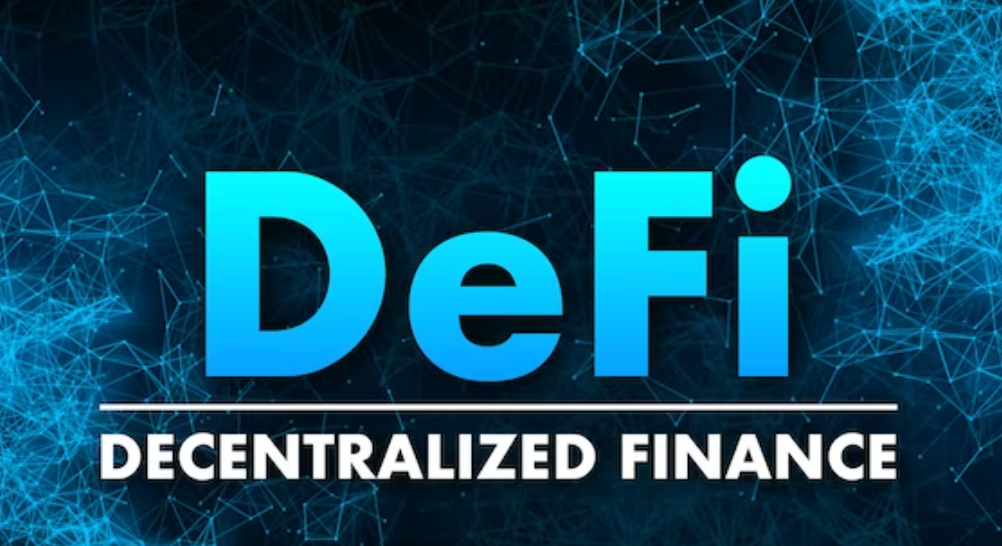
Judge Rules in Favor of Uniswap’s Decentralized Nature
In a recent legal development, a U.S. district judge in New York City dismissed a lawsuit against Uniswap related to alleged ‘scam tokens’ issued on its platform. The court’s decision highlights the complexities of regulating decentralized finance (DeFi) protocols, where the identities of token issuers remain largely anonymous.
The Case and Its Implications
The lawsuit accused Uniswap of facilitating the distribution of fraudulent tokens. However, due to the protocol’s decentralized nature, the court found it challenging to identify a liable party. District Judge Katherine Polk Failla emphasized that without identifiable defendants, the plaintiffs were left without recourse.
This ruling underscores the legal hurdles faced by plaintiffs seeking accountability in the DeFi space. Uniswap, a leading decentralized exchange, operates through smart contracts on the Ethereum blockchain, allowing users to trade tokens without intermediaries.
Market Context and Uniswap’s Position
Uniswap’s native token, UNI, has been trading at approximately $3.81, with a market capitalization of over $2.41 billion. Despite a slight decline of 1.06% over the past month, the platform’s trading volume remains robust, reflecting its continued relevance in the crypto market.
The case dismissal could reinforce investor confidence in Uniswap’s protocol, potentially impacting its market performance positively. However, it also raises questions about consumer protection and regulatory frameworks in the DeFi sector.
Legal and Regulatory Considerations
The decentralized nature of platforms like Uniswap presents unique challenges for regulators. Traditional legal frameworks are often ill-equipped to address the nuances of DeFi, where smart contracts execute transactions without centralized oversight.
As regulators worldwide grapple with these challenges, this case may serve as a precedent for future legal battles involving decentralized platforms. It highlights the need for innovative regulatory approaches that balance consumer protection with the principles of decentralization.
Summary and Outlook
In summary, the dismissal of the lawsuit against Uniswap reaffirms the challenges of regulating decentralized finance. As the crypto landscape evolves, legal and regulatory bodies will need to adapt to the unique characteristics of DeFi.
Looking ahead, the crypto community will be watching closely to see how regulators respond to the growing influence of decentralized platforms. With innovation continuing at a rapid pace, the balance between regulation and decentralization remains a crucial issue for the industry’s future.









Comments are closed.