Hakeem Jeffries Criticizes Military Spending Priorities
In a bold move on Capitol Hill, Congressman Hakeem Jeffries has called for a vote on war powers, taking a firm stance against what he describes as Washington’s excessive military expenditure in the Middle East. Jeffries has voiced concerns that the spending focus on foreign conflicts, particularly in Iran, is overshadowing urgent domestic economic issues facing Americans.
Military Spending vs. Domestic Challenges
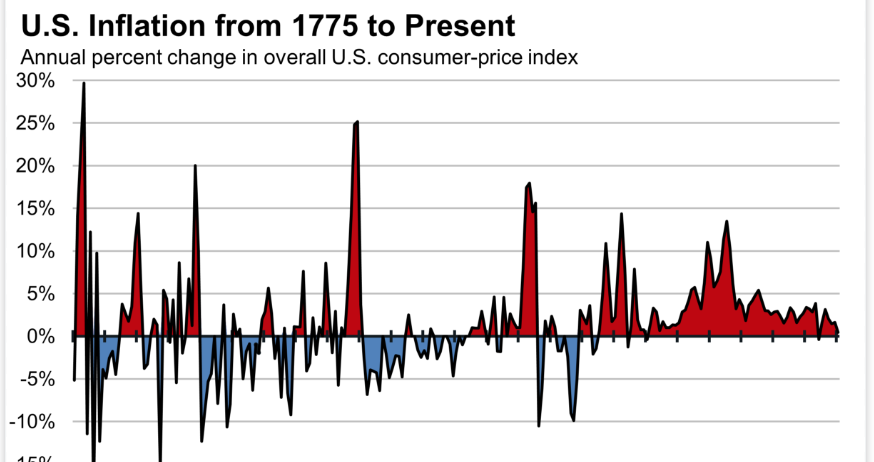
Jeffries’ criticism targets the Trump administration’s allocation of billions towards military operations in Iran, arguing that these financial resources could instead address rising costs at home, notably grocery prices which have been surging over recent months. The call comes as families across the United States feel the pinch of inflation, with consumer prices seeing a significant uptick.
According to recent data, the Consumer Price Index (CPI) rose by 5.4% over the past year, marking one of the steepest climbs since 2008. Food prices alone have increased by over 4%, affecting household budgets nationwide. Jeffries asserts that such economic pressures deserve immediate governmental attention.
The Case for War Powers Review
Jeffries’ demand for a war powers vote seeks to re-evaluate the President’s authority in military engagements abroad without congressional approval. This legislative push intends to ensure that military actions are justified and in line with national interests, ultimately redirecting focus towards pressing domestic challenges.
While supporters of increased military budgets argue these expenditures are essential for national security, critics like Jeffries emphasize that unchecked spending can detract from solving internal economic issues, which are increasingly affecting everyday Americans.
Inflation’s Impact on American Families
With inflation continuing to rise, American households are facing higher costs on essential goods. Meat, dairy, and produce prices are notably affected, with some categories witnessing double-digit percentage hikes. These economic pressures have prompted lawmakers to urge for more fiscal discipline and strategic reallocation of resources.
Jeffries, along with other policymakers, suggests that the funds could be better utilized in supporting small businesses and infrastructure development, which in turn could stimulate job growth and stabilize the economy.
Looking Ahead
As the call for a war powers vote gains momentum, it underscores a growing demand for balancing national security with economic welfare. Whether Congress will heed Jeffries’ call remains to be seen, but the debate highlights a critical juncture for U.S. financial priorities.
In summary, the interplay between military spending and domestic economic needs poses a challenging dilemma for U.S. policymakers. The upcoming discussions could reshape fiscal policies, ideally steering towards more sustainable economic management in the face of inflationary pressures.








Comments are closed.