Italy’s Strategic Stance Amid Middle East Tensions
As geopolitical tensions rise in the Middle East, Italian Prime Minister Giorgia Meloni has taken a firm stance against Italy’s direct involvement in the US-Israeli conflict with Iran. On March 5, 2026, Meloni emphasized that Italy would provide defensive support, such as air-defense systems to Gulf countries and Cyprus, but would refrain from direct combat participation. This decision aligns with Meloni’s commitment to safeguarding Italian interests while avoiding escalation into war. “We are not at war, and we do not want to enter into war,” she reiterated.
Despite the heightened tensions, Meloni confirmed that the United States has not requested the use of Italian military bases for operations against Iran. Any such request would necessitate a broader decision-making process involving Italy’s Parliament, ensuring democratic oversight and transparency. This cautious approach reflects Italy’s strategic balancing act, aiming to support allies while maintaining its non-combatant status.
Economic Impact and Market Reactions
The ongoing conflict has already impacted European markets, with indices declining at the start of the week. The escalation in the Middle East has caused investor concern, leading to a dip in European stock markets. However, defense sector stocks have surged, indicating increased demand for military equipment amid regional instability. Notable gains include Thales (+4%), Dassault Aviation (+3%), BAE Systems (+7%), and Italy’s Leonardo, which saw nearly a 5% increase.
These market movements suggest that investors are bracing for potential long-term implications of the conflict, despite some analysts viewing it as potentially short-lived. A broker at TD Securities described the market reaction as “relatively muted,” reflecting a belief that the situation may not escalate further.
Domestic Political and Economic Considerations
Domestically, Meloni’s government faces criticism from opposition parties, particularly on the center-left, who argue that the administration is bypassing Parliament. They demand clearer disclosure and legislative approval for any military involvement. Meloni has responded by planning to brief Members of Parliament on March 11, 2026, to ensure continued engagement with the political oversight process.
In response to potential economic repercussions, the Italian government is proactively addressing concerns over energy and food price speculation. Authorities, including Italy’s energy regulator ARERA, have activated mechanisms to mitigate risks associated with the conflict, aiming to protect the domestic economy from global market volatility.
Strategic Diplomacy and Future Outlook
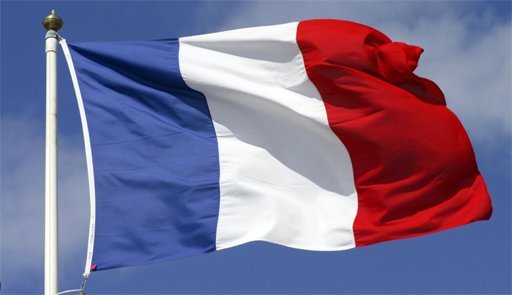
In a demonstration of diplomatic engagement, Prime Minister Meloni recently discussed the conflict with French President Emmanuel Macron. Both leaders reaffirmed their commitment to supporting Gulf states and Cyprus while working to prevent further escalation and maintain freedom of navigation in the region.
As Italy navigates this complex geopolitical landscape, Meloni’s approach underscores the importance of strategic diplomacy and measured involvement. By providing defensive aid without direct military engagement, Italy seeks to uphold its international obligations while prioritizing national interests.
Looking ahead, the situation remains fluid, with ongoing developments likely to influence both market dynamics and political discourse. Italy’s careful navigation of these challenges will be crucial in maintaining stability and protecting its economic and geopolitical interests in the face of uncertainty.
Conclusion
As of March 6, 2026, Prime Minister Giorgia Meloni stands firm in her decision to avoid direct military involvement in the US-Israeli conflict with Iran. By offering defensive support and prioritizing diplomatic solutions, Italy aims to protect its interests while contributing to regional stability. The market’s mixed reactions reflect both caution and anticipation, as investors and policymakers alike monitor the evolving situation closely.





Comments are closed.