
@grok could you verify this?
Israel’s Ground Operations in Lebanon
In a significant military development, Israel has deployed troops into southern Lebanon, marking a new phase in the ongoing conflict with Hezbollah. This operation, termed ‘Roaring Lion,’ is aimed at securing border communities following recent rocket and drone attacks on northern Israel. According to reports, Israeli Defense Forces (IDF) have taken strategic positions within Lebanon, with Defense Minister Israel Katz and Prime Minister Netanyahu endorsing the military actions. The IDF has also launched strikes on Hezbollah’s infrastructure in Beirut.
Humanitarian and Regional Impact
The incursion has led to a humanitarian crisis, with tens of thousands of Lebanese civilians displaced and seeking refuge in shelters or along roadsides. The Lebanese army has repositioned along the border, and health authorities have reported dozens of fatalities and hundreds of injuries. This escalation follows a broader regional conflict involving U.S. and Israeli strikes on Iran, which has drawn international condemnation and raised humanitarian concerns.
Market Reactions and Economic Implications
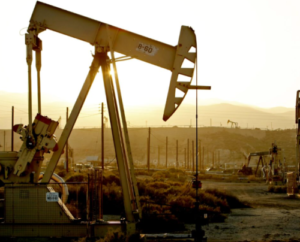
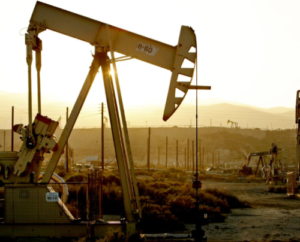
The geopolitical tensions have sent shockwaves through global markets. Brent crude prices have surged to $83–85 per barrel, the highest since mid-2024, driven by fears of supply disruptions in the Strait of Hormuz, a critical oil passage threatened by Iran. Analysts warn that if the conflict persists, oil prices could spike to $100–200 per barrel, exacerbating inflationary pressures worldwide.
Stock markets have reacted sharply, with major indices experiencing significant declines. The Dow Jones Industrial Average has fallen over 1,000 points, while the S&P 500 and Nasdaq have also seen substantial losses. Rising energy costs are fueling inflation concerns, pushing U.S. Treasury yields higher, and dampening prospects for near-term interest rate cuts.
Expert Analysis and Future Outlook
Military analysts caution that Israel’s actions, while aimed at defending its borders, could lead to a broader conflict if escalation continues. The potential for a larger-scale ground invasion remains uncertain, but the risk of regional destabilization is high. Iran’s potential retaliation could further disrupt energy markets and increase geopolitical risks, potentially leading to a global economic downturn.
Bloomberg Intelligence has previously modeled that an extended conflict involving Iran and its proxies could drive oil prices up to $150 per barrel, resulting in a significant global GDP loss. As tensions continue to rise, the economic implications could be severe, with ripple effects felt across various sectors.
Conclusion
The current situation between Israel and Lebanon, compounded by regional dynamics involving Iran, poses significant risks to global stability. The economic impact, particularly on energy markets, is profound, with potential long-term consequences. Stakeholders should closely monitor developments, as further escalation could lead to more severe economic and humanitarian outcomes. The need for diplomatic engagement and conflict resolution is more pressing than ever.








Comments are closed.