
Israel’s Strategic Operation
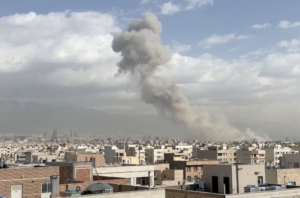
In a bold and highly strategic move, Israel has reportedly assassinated Mohammad Raad, a prominent leader in the Hezbollah organization. This development marks a significant escalation in the ongoing Middle Eastern tensions.
Background of the Conflict
Hezbollah, a Shia Islamist political party and militant group based in Lebanon, is a frequent adversary of Israel. The group is known for its strong ties to Iran and its military activities across the region. Mohammad Raad, a leading figure within Hezbollah, was instrumental in shaping its military and political strategies.
Immediate Reactions and Implications
The assassination of Raad has elicited immediate reactions from various geopolitical players. Israel’s government is maintaining a cautious stance, while Hezbollah has vowed retaliation. The potential for escalating military activities in the region has raised concerns among global investors, impacting markets sensitive to geopolitical tension.
Market Impact and Analysis
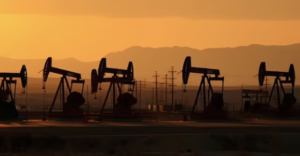
Historically, geopolitical tensions in the Middle East have had a pronounced impact on global oil prices and stock markets. In this instance, the market’s response was immediate, with crude oil prices seeing a slight uptick of 1.5% as investors brace for potential supply disruptions. Defense stocks have also shown resilience, reflecting increased interest in defense and security investments.
Currency markets are also vigilant; the Israeli shekel’s volatility has increased slightly against major currencies. Investors are advised to monitor these developments closely, as further escalations could lead to broader market implications.
Looking Ahead
The assassination of Mohammad Raad could potentially alter the geopolitical landscape of the Middle East. As Hezbollah prepares to respond, nations and investors alike are watching closely. The situation underscores the ongoing volatility in the region and its broader implications for global markets.
In summary, Israel’s strategic strike against a high-ranking Hezbollah leader has intensified the geopolitical stakes in the Middle East. The global financial markets will likely continue to react as the situation develops, with oil prices and defense stocks remaining in focus.






Comments are closed.