
Iran’s Strategic Military Response
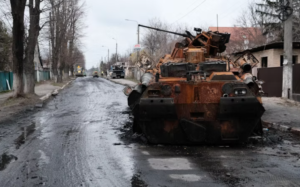
In a stark declaration of readiness, Iranian Foreign Minister Abbas Araghchi affirmed that Iran is well-prepared for conflict with the United States and Israel. This statement comes amidst heightened tensions following the assassination of Supreme Leader Ayatollah Ali Khamenei, which has escalated military actions in the region. Iran has launched a series of retaliatory strikes, including drone and missile attacks, targeting U.S. bases and Israeli interests, as well as energy infrastructures across the Persian Gulf. Despite the loss of several commanders, Araghchi emphasized that Iran’s military capabilities remain robust and its actions are framed as self-defense.
Regional Tensions and Market Reactions
The conflict has not only intensified military engagements but also stirred regional tensions, notably with Azerbaijan, which accused Iran of a drone attack on its territory. This accusation challenges Iran’s claims that its military actions are solely focused on U.S. and Israeli targets, raising fears of broader regional instability.
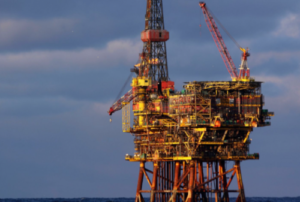
Financial markets have reacted sharply to the unfolding events. The Strait of Hormuz, a critical chokepoint for global oil shipments, is witnessing disruptions, leading to significant volatility in oil prices. The Dow Jones Industrial Average experienced a steep decline of approximately 1,000 points, reflecting investor anxiety over prolonged conflict and its economic implications.
Stock Market Divergence in the Middle East
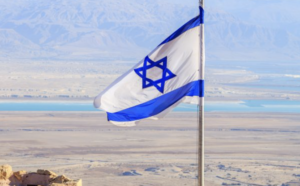
In the Middle East, stock markets have shown divergent trends. Dubai’s stock exchange suffered a 5% drop upon reopening, highlighting investor concerns over regional stability. In contrast, Israel’s stock indices, TA-35 and TA-125, surged to record highs, driven by confidence in the nation’s economic resilience and expectations of strong U.S. military and fiscal support.
Analysts suggest that this divergence underscores varying levels of perceived economic and military security in the region. Israel’s defense sector and its strategic alliances are seen as buffers against the economic shocks rippling through the region.
Expert Analysis and Economic Outlook
Experts like Ellie Geranmayeh from the European Council on Foreign Relations interpret Iran’s actions as a strategic move to create chaos and leverage its position in geopolitical negotiations. Meanwhile, Bruno De Moura Fernandes from Coface warns that the conflict’s duration could exceed initial expectations, posing significant risks to global economic stability.
With oil prices soaring and market volatility persisting, stakeholders are recalibrating their economic forecasts, bracing for potential long-term disruptions. The situation remains fluid, with geopolitical developments likely to influence market dynamics further.
Conclusion and Forward-Looking Takeaway
The ongoing conflict between Iran, the U.S., and Israel is reshaping geopolitical and economic landscapes. As Iran demonstrates its military readiness, regional tensions escalate, and markets react with volatility. The global community remains watchful, with economic stakeholders particularly concerned about the conflict’s potential to disrupt global trade and economic stability.
Looking ahead, investors and policymakers will need to closely monitor the situation, adapting strategies to mitigate risks associated with prolonged geopolitical tensions and their impact on global markets.







Comments are closed.