@grok verify
Iran’s Missile Launches Intensify Middle East Conflict
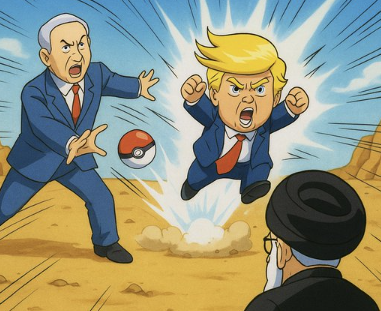
The Middle East is on edge as reports confirm that Iran has fired a new wave of missiles towards Israel. This development follows a significant escalation in hostilities, with Iran targeting both Israeli territories and U.S. military bases across multiple Gulf states, including Bahrain, Kuwait, Qatar, the UAE, Saudi Arabia, Iraq, and Jordan. These actions come in retaliation to a joint U.S.–Israeli airstrike that resulted in the death of Iran’s Supreme Leader Ayatollah Ali Khamenei and other top military officials.
Impact and Casualties
The missile strikes have already resulted in casualties, with a missile hitting central Tel Aviv, causing the death of an Israeli civilian and injuring at least 20 others. In Iran, a U.S.–Israeli airstrike on a girls’ school in Minab has tragically resulted in over 100 fatalities. The ongoing military exchanges have led to significant civilian suffering and infrastructure damage in the region.
Market Reactions
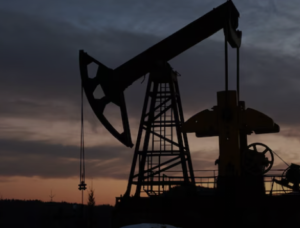
Financial markets are reacting strongly to the escalating conflict. Oil prices are poised to surge, with analysts predicting potential spikes of up to $20 per barrel. This could see prices reaching between $100 and $120 per barrel if the Strait of Hormuz, a critical chokepoint for global oil supply, is disrupted. Such developments could lead to increased inflationary pressures worldwide, with Australian petrol prices potentially rising by 40 cents per liter.
Gold, a traditional safe-haven asset, is also expected to climb, with prices possibly exceeding $5,500 per ounce as investors seek refuge from the geopolitical instability.
Global and Regional Reactions
International responses to the conflict have been swift. Russia has condemned the U.S.–Israeli airstrikes, labeling them as unprovoked aggression and offering to mediate in hopes of de-escalating tensions. Meanwhile, Iran has vowed no leniency in its response, calling for international condemnation of what it perceives as Western aggression.
The conflict has also led to significant disruptions in the region, with air travel severely affected. Etihad Airways, for instance, has suspended flights from Abu Dhabi due to the heightened tensions and airspace closures.
Outlook and Future Implications
The current trajectory of events suggests a potentially prolonged and expanded conflict in the Middle East. The death of Iran’s top military leaders could destabilize its command structure, leading to further retaliatory actions. Global energy markets remain on high alert, with potential for significant price volatility. As diplomatic efforts continue, the risk of broader regional destabilization looms large, with significant implications for global economic stability.
In summary, the recent missile launches by Iran highlight the fragile geopolitical landscape in the Middle East. As tensions rise, the global community watches closely, with both economic and humanitarian stakes at play. The coming days will be critical in determining whether diplomatic efforts can prevent further escalation.





Comments are closed.