Iran’s Strategic Move
In a significant geopolitical development, Iran has declared the Strait of Hormuz off-limits to U.S., Israeli, European, and allied vessels. The strategic waterway, which sees about 25% of the world’s seaborne oil transit, is now a focal point of escalating tensions. Iran’s move has effectively halted maritime traffic, leading to significant disruptions in global trade.
The Iranian Revolutionary Guard Corps (IRGC) has issued stern warnings, threatening to target any vessel attempting passage. This bold stance is expected to have profound implications for global energy markets and geopolitical stability.
Impact on Oil and Energy Markets
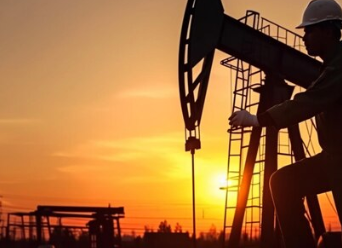
The immediate consequence of Iran’s blockade is a surge in oil prices. Brent crude has climbed to approximately $84 per barrel, its highest since July 2024. Market analysts predict that if the Strait remains closed, prices could soar to between $100 and $200 per barrel. The potential for such a spike is causing significant anxiety among market participants.
Natural gas markets are also feeling the pressure. The Strait of Hormuz is a critical route for liquefied natural gas (LNG), with nearly 20% of global LNG passing through. Disruptions could drive European TTF natural gas prices to as high as 100 EUR/MWh, up from the current 31.6 EUR/MWh, if the closure persists.
Global Economic Repercussions
The closure of the Strait poses a serious threat to global economic stability. Analysts warn that prolonged disruptions could lead to a slowdown in economic activity worldwide. With the waterway handling a significant portion of global oil and LNG trade, the ripple effects are expected to be widespread.
Financial markets have already started reacting, with global stock indices experiencing volatility. In the U.S., the Dow Jones Industrial Average fell by approximately 400 points, reflecting investor concerns over rising oil prices and geopolitical uncertainties.
Expert Insights and Future Outlook
Energy experts emphasize the strategic importance of the Strait of Hormuz. Zulfikar Yurnaidi from the ASEAN Centre for Energy highlights the broader economic risks, noting that any prolonged closure could have severe implications for global energy security and economic growth.
Looking ahead, the situation remains highly volatile. Analysts suggest that a resolution to the crisis will require diplomatic efforts to de-escalate tensions. In the meantime, markets are likely to remain on edge, with energy prices and geopolitical developments closely monitored by traders and policymakers alike.
Conclusion
Iran’s blockade of the Strait of Hormuz marks a critical juncture in global geopolitics and energy markets. As tensions continue to escalate, the world watches closely, aware that the implications of this move extend far beyond the region. The coming days will be crucial in determining the trajectory of oil prices and global economic stability.







Comments are closed.