Iran’s Strategic Move in the Strait of Hormuz
The geopolitical landscape has shifted significantly as Iran’s Islamic Revolutionary Guard Corps (IRGC) announced its anticipation of U.S. military escorts for ships navigating the crucial Strait of Hormuz. This development comes amid heightened tensions and follows a historical precedent, recalling the 1987 supertanker Bridgeton incident. IRGC spokesman Ali Mohammad Naini stressed the importance of caution, highlighting Iran’s strategic control over this vital maritime corridor.
The IRGC’s statement on March 7, 2026, underscores the volatile situation in the region. Just days prior, an IRGC Navy official asserted Iran’s complete control over the strait, a critical passage for global oil shipments. This follows a stark warning issued on March 2, where an IRGC advisor threatened to attack any vessel attempting to traverse the strait, effectively labeling it closed.
Impact on Oil Markets and Shipping
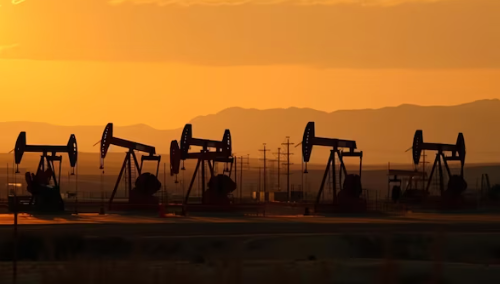
The announcement has had immediate repercussions on global oil markets. Brent crude prices have surged, reaching approximately $89 per barrel, reflecting a $16 increase since the onset of tensions. This spike is attributed to the perceived risk of supply disruptions, as the Strait of Hormuz channels about 20% of the world’s oil flows. The market’s reaction is further exacerbated by reduced maritime activity, with reports indicating an 80% decrease in traffic through the strait.
Major shipping companies, including Maersk and Hapag-Lloyd, have suspended operations through the strait, contributing to a near-halt in regional maritime traffic. Approximately 3,200 ships remain idle in the Persian Gulf, while another 500 await passage off the coasts of the UAE and Oman. This bottleneck has forced logistics systems to adapt, with freight being redirected to secondary ports like Khor Fakkan and Salalah.
Economic and Political Reactions
The U.S. administration has responded by implementing 30-day sanctions waivers for Indian refiners to access Russian oil, aiming to alleviate supply constraints. Energy Secretary Chris Wright has cautioned that oil prices may take weeks to stabilize, even with these interventions. However, analysts remain skeptical of the effectiveness of these measures in the absence of a clear de-escalation in tensions.
Experts like Noam Raydan from the Washington Institute emphasize the severe disruption and heightened risk associated with the current situation. The potential for a prolonged standoff could lead to further economic shockwaves, although strategic reserves and alternative pipeline routes offer some mitigation against price surges.
Looking Ahead
The unfolding scenario in the Strait of Hormuz presents a complex challenge for global markets and geopolitical stability. As the situation develops, the focus remains on diplomatic efforts to de-escalate tensions and ensure the safe passage of vessels through this critical waterway. The coming weeks will be crucial in determining the trajectory of oil prices and the broader economic impact of this geopolitical flashpoint.
In summary, Iran’s announcement and the subsequent market reactions highlight the fragile balance in the region. The strategic significance of the Strait of Hormuz cannot be overstated, and its current state underscores the need for careful navigation of geopolitical tensions to prevent further disruptions in global trade and energy supplies.






Comments are closed.