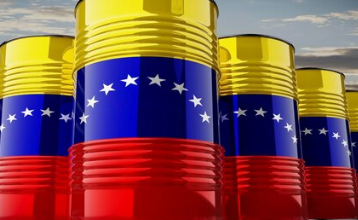
Geopolitical Tensions and Economic Ramifications
Recent escalations involving Iran and Venezuela have introduced new variables into the global economic landscape. Under the Trump administration, the approach towards these nations has shifted from diplomatic engagement to military actions, illustrating a significant departure from conventional U.S. foreign policy. The ramifications of these moves are multifaceted, impacting not only diplomatic relations but also global trade, with particular focus on how these tensions affect the ongoing trade talks between the United States and China.
The volatility in Iran and Venezuela is not isolated; it reverberates through international markets. The instability in Iran, a major oil producer, threatens to disrupt global oil supplies. Meanwhile, Venezuela’s situation adds further complexity, given its vast oil reserves. This uncertainty has led to fluctuations in oil prices, influencing market sentiments and investor behavior, especially concerning companies heavily reliant on oil, such as ExxonMobil ($XOM).
Impact on Trump-Xi Trade Negotiations
The trade negotiations between President Trump and President Xi Jinping have been a focal point of global economic discussions. The U.S.’s military interventions in Iran and Venezuela send a strong message, potentially complicating these delicate talks. China, a major player on the world stage, closely monitors these developments, assessing their implications for its own geopolitical and economic strategies.
The trade talks are further strained by the U.S.’s unpredictable foreign policy moves. Investors are wary, as these actions could lead to retaliatory measures from China, which may affect U.S. exports, tariffs, and the global supply chain. This uncertainty is reflected in the stock markets, where volatility remains heightened. The $VZ stock, for instance, is under pressure as markets react to the geopolitical tensions that could affect global trade dynamics.
Market Response and Investor Sentiments
Investors are navigating a complex landscape, where geopolitical tensions are directly influencing market conditions. The increased risk of conflict in oil-rich regions like Iran and Venezuela has led to heightened market volatility. As companies with significant exposure to these regions react, the broader implications on trade and economic stability become apparent.
Investors are advised to remain cautious, considering the potential for rapid developments. Diversifying portfolios and staying informed about geopolitical events are essential strategies in these uncertain times. While oil prices have experienced fluctuations due to the tensions, the long-term impact on global trade remains uncertain, dependent on the resolution of these conflicts and their effect on U.S.-China relations.
Conclusion and Forward-Looking Takeaway
The situation in Iran and Venezuela highlights the intricate link between geopolitical events and global economic stability. While the immediate impact is evident in market volatility and investor sentiment, the long-term effects will hinge on how these tensions are managed and resolved by global powers. As the Trump administration navigates these complex challenges, the outcome of the trade talks with China remains a critical focal point for global markets.
In summary, the geopolitical tensions in Iran and Venezuela serve as a reminder of the interconnectedness of international relations and global economic health. Investors and policymakers alike will need to adapt strategies to manage risks and capitalize on opportunities in an ever-evolving global landscape.





Comments are closed.