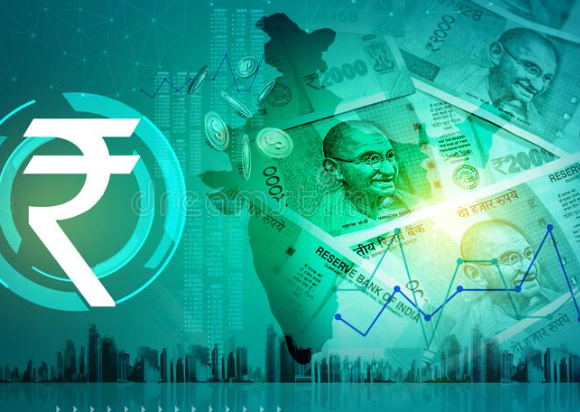
U.S. Waiver to India Eases Energy Concerns
The United States has granted India a 30-day waiver to purchase Russian oil, addressing immediate energy supply anxieties as the Middle East conflict raises global concerns. This temporary concession comes amid escalating tensions involving Iran, which have further strained the already delicate balance of energy supply worldwide.
India, a significant consumer of energy, relies heavily on imports to meet its demands. With the current geopolitical disturbances disrupting supply chains, the waiver provides critical relief. India’s move to continue purchasing Russian oil is not just a measure to stabilize its domestic market but also a strategic step to diversify its energy sources in the face of tightening global supplies.
Impact of Middle East Tensions on Global Energy Markets
The ongoing conflict in the Middle East has added a layer of complexity and volatility to the global energy markets. As fighting intensifies, fears of supply disruptions have led to fluctuations in oil prices. The region, a key global supplier, sees a significant risk of export capacity being compromised, which has traders and governments alike on edge.
Oil prices have already seen upward pressure due to these geopolitical tensions, with Brent Crude rising to $85 per barrel recently. The potential for further disruptions looms large, which could push prices even higher. This situation underscores the need for countries like India to secure their energy needs through diversified sources, including Russian oil, despite the broader political implications.
Geopolitical Strategies and Economic Implications
The waiver from the U.S. demonstrates a pragmatic approach to geopolitics in light of the current energy crisis. While the West has generally sought to limit Russia’s economic strength by reducing dependence on its energy exports, the immediate need to stabilize global markets has prompted exceptions.
This decision also highlights the complex nature of international relations where economic necessities can lead to temporary policy shifts. For India, the waiver is a strategic win, allowing it to manage domestic energy needs without immediate supply shocks.
However, the long-term implications of such moves could alter traditional alliances and dependencies in the global energy landscape. Nations may increasingly look to secure energy from politically stable regions or develop alternative energy sources to mitigate similar risks in the future.
As the world grapples with these geopolitical and economic challenges, the focus remains on ensuring stable energy supplies while balancing international political dynamics. India’s temporary waiver serves as an example of how nations are navigating the intricate web of energy dependence amid global uncertainties.
Conclusion and Future Outlook
In summary, the U.S. waiver for India to purchase Russian oil highlights the immediate pressures on global energy markets due to Middle Eastern conflicts. As nations strive to ensure energy security, such temporary measures may become more common.
Looking ahead, the global community may need to rethink energy policies and alliances to cope with unpredictable geopolitical scenarios. Sustainable energy solutions and diversified sources will likely play a crucial role in future strategies to avoid reliance on volatile regions.








Comments are closed.